
 Pin this
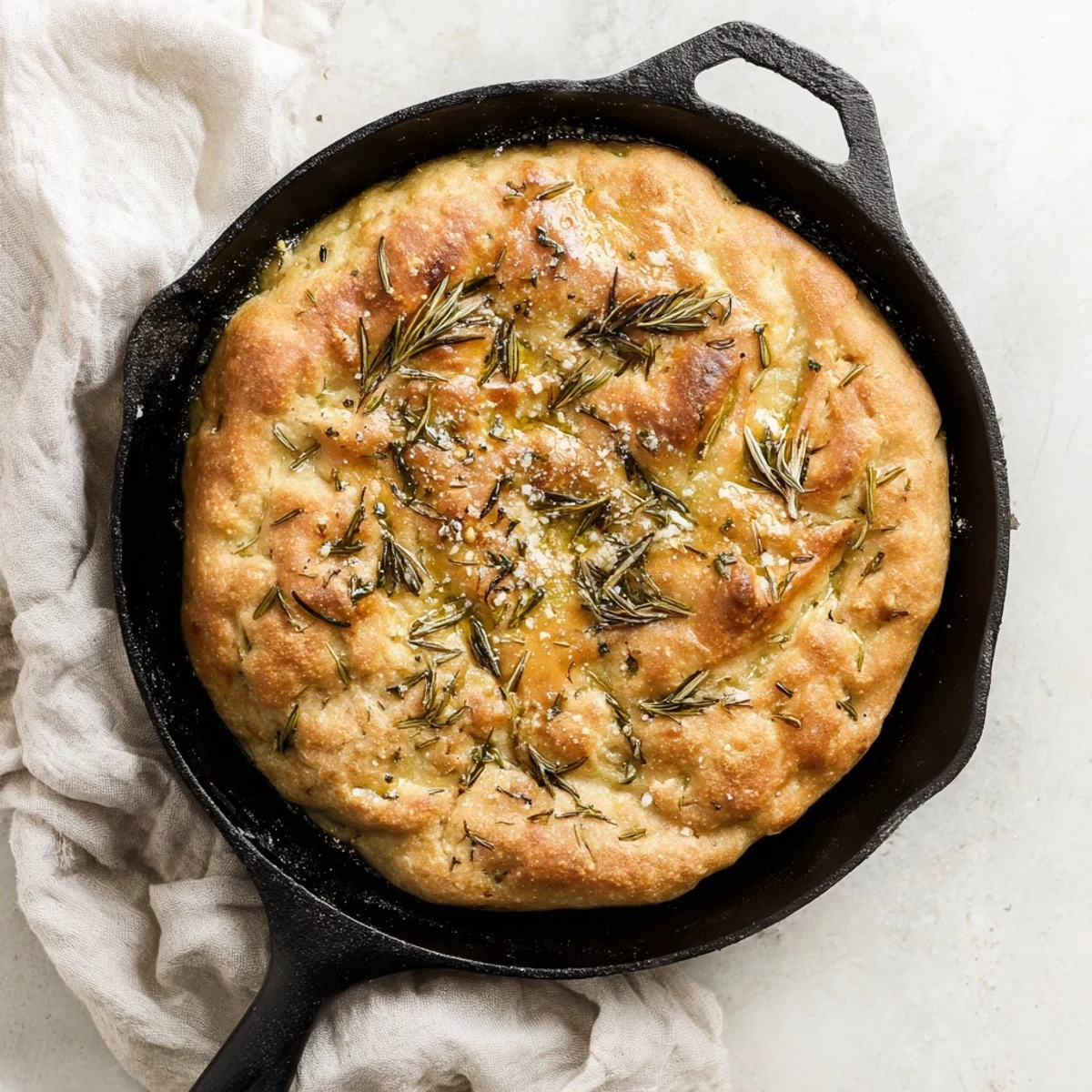
 This artisan skillet bread combines aromatic roasted garlic and fresh rosemary for a deeply flavorful result. The dough rises to create a perfect texture—crisp, golden edges with a tender, chewy interior. Baked in a cast iron skillet, it develops an irresistible crust that's ideal for dipping in olive oil or serving alongside soups and stews.
The preparation is straightforward: mix flour, yeast, and warm water, then knead in garlic, rosemary, and olive oil. After rising, the dough bakes in a hot skillet until golden. The finishing touch of flaky sea salt enhances every bite. This versatile bread brings warmth to any table and complements a variety of dishes.
My tiny apartment kitchen smelled like an Italian grandmother's dream the first time I made this bread. I'd gotten fresh rosemary from a friend's garden and couldn't stop crushing the needles between my fingers just to breathe in that piney fragrance. The whole building seemed to know something good was happening in oven 4B.
I brought this skillet bread to a potluck last winter, still warm from the oven, and watched it disappear in under ten minutes. My friend's husband, who claims he doesn't even like bread that much, went back for thirds. There's something about pulling apart warm, fragrant bread together that makes people stay at the table longer.
Ingredients
- Bread flour: Higher protein content than all-purpose gives this bread its signature chew and structure
- Active dry yeast: Use warm water around 110°F, anything hotter kills the yeast before it can work its magic
- Fresh rosemary: Dried herbs work in a pinch but fresh adds an aromatic punch that makes all the difference
- Garlic: Mince it finely so it distributes evenly throughout the dough instead of creating spicy pockets
- Flaky sea salt: The finishing touch that creates those irresistible salty crystals on top
Instructions
- Wake up the yeast:
- Whisk warm water and yeast in a large bowl and wait 5 minutes until it transforms into a foamy, fragrant pool that smells like possibility.
- Build your foundation:
- Add flour and salt, mixing until a shaggy, slightly sticky dough forms, then knead for 5 to 7 minutes until smooth and elastic.
- Infuse with flavor:
- Drizzle in olive oil, chopped rosemary, and minced garlic, then knead just enough to distribute everything evenly.
- Let it rest:
- Place dough in a greased bowl, cover with a damp towel, and find the warmest corner of your kitchen for a 1 hour nap.
- Shape for the skillet:
- Press the risen dough into an oiled 10-inch skillet, gently nudging it toward the edges, then cover for another 30 minutes.
- Get ready to bake:
- Preheat your oven to 425°F while the dough has its second rise.
- Add the finishing touches:
- Brush the top with olive oil and scatter flaky salt across the surface like you're seasoning something precious.
- Bake until golden:
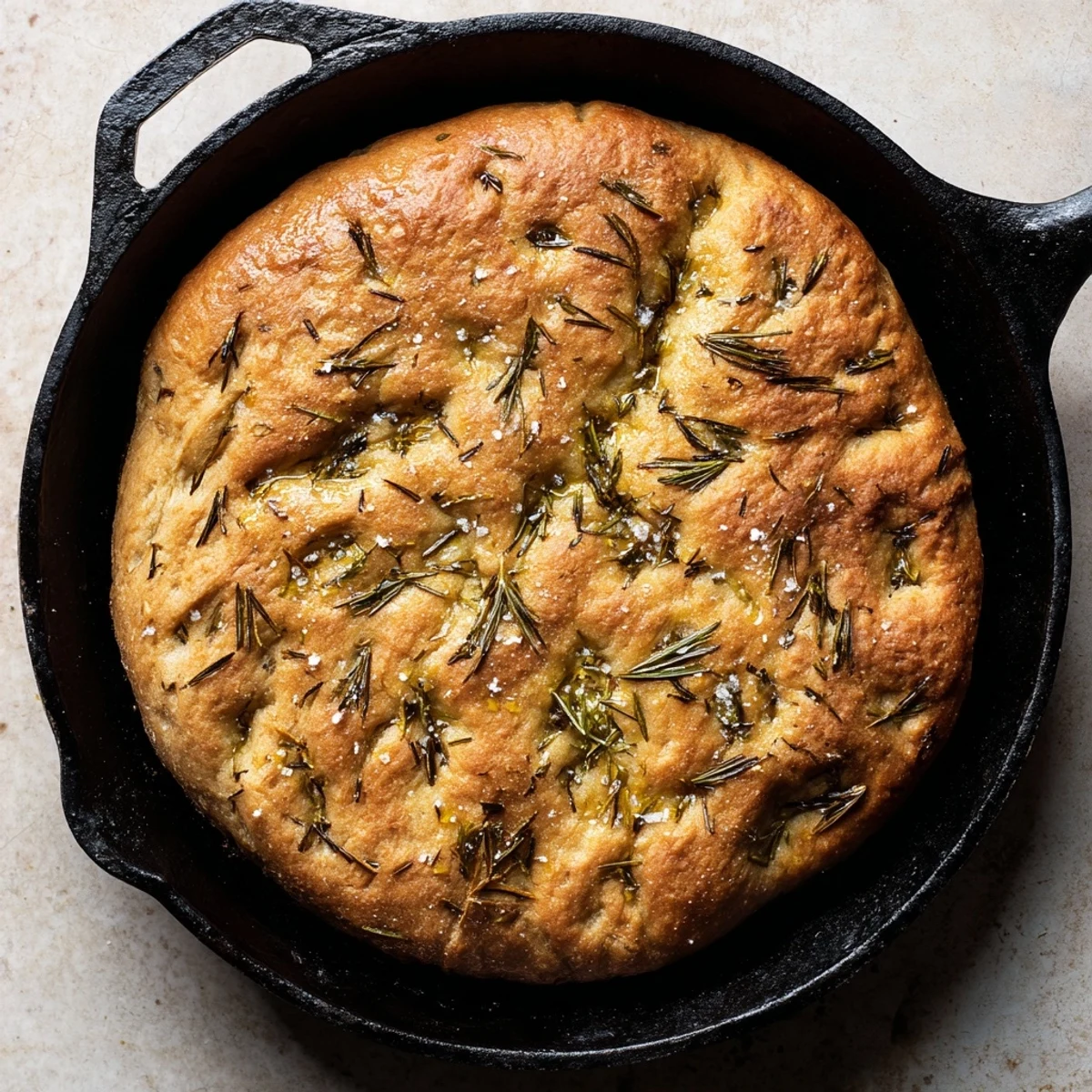
- Slide into the oven for 30 to 35 minutes until the crust is deeply golden and the bottom sounds hollow when tapped.
- Share while warm:
- Let it rest just long enough to handle, then slice into wedges and watch people's faces light up.
 Pin this
 This bread has become my go-to for dinner parties because it feels impressive but takes almost no active effort. I love setting the skillet right on the table and letting everyone pull off their own piece, the way people have done with bread for centuries.
Making It Your Own
Sometimes I roast the garlic cloves beforehand, wrapped in foil with a drizzle of olive oil, until they're golden and spreadable. The sweetness adds incredible depth and mellows the sharp bite. Fresh thyme works beautifully instead of rosemary, especially in spring when I can snip it from the windowsill pots.
The Perfect Rise
I've learned that different corners of my kitchen yield different results. Near the radiator works in winter, but in summer I avoid the windowsill where direct sunlight can overproof the dough. The sweet spot is usually somewhere consistently warm but not hot, where the yeast can work steadily without rushing.
Serving Suggestions
This bread demands to be torn and shared, still warm from the skillet. I love serving it alongside a simple soup or just with a bowl of good olive oil for dipping. The next morning, any leftovers make incredible toast, especially topped with a fried egg and extra sea salt.
- Try swapping in whole wheat flour for up to half the flour for nuttier flavor
- Add a handful of grated Parmesan to the dough for savory depth
- Brush with garlic butter immediately after baking for extra indulgence
 Pin this
 There's something primal and satisfying about making your own bread, especially one this fragrant and simple. I hope this recipe finds its way into your regular rotation, filling your kitchen with warmth and bringing people to your table.
Recipe FAQs
- → What makes skillet bread different from oven-baked bread?
-
Skillet bread bakes in a cast iron or oven-safe skillet, which creates excellent heat conduction for a crisp, golden crust. The skillet's sides help the bread rise evenly while developing a rustic texture that's harder to achieve with a standard baking sheet.
- → Can I use dried rosemary instead of fresh?
-
Fresh rosemary provides the best aroma and flavor, but dried rosemary works in a pinch. Use about one-third the amount—roughly 2 teaspoons of dried rosemary instead of 2 tablespoons fresh. Rehydrate the dried herbs in warm water for 10 minutes before adding to the dough.
- → How do I know when the bread is fully baked?
-
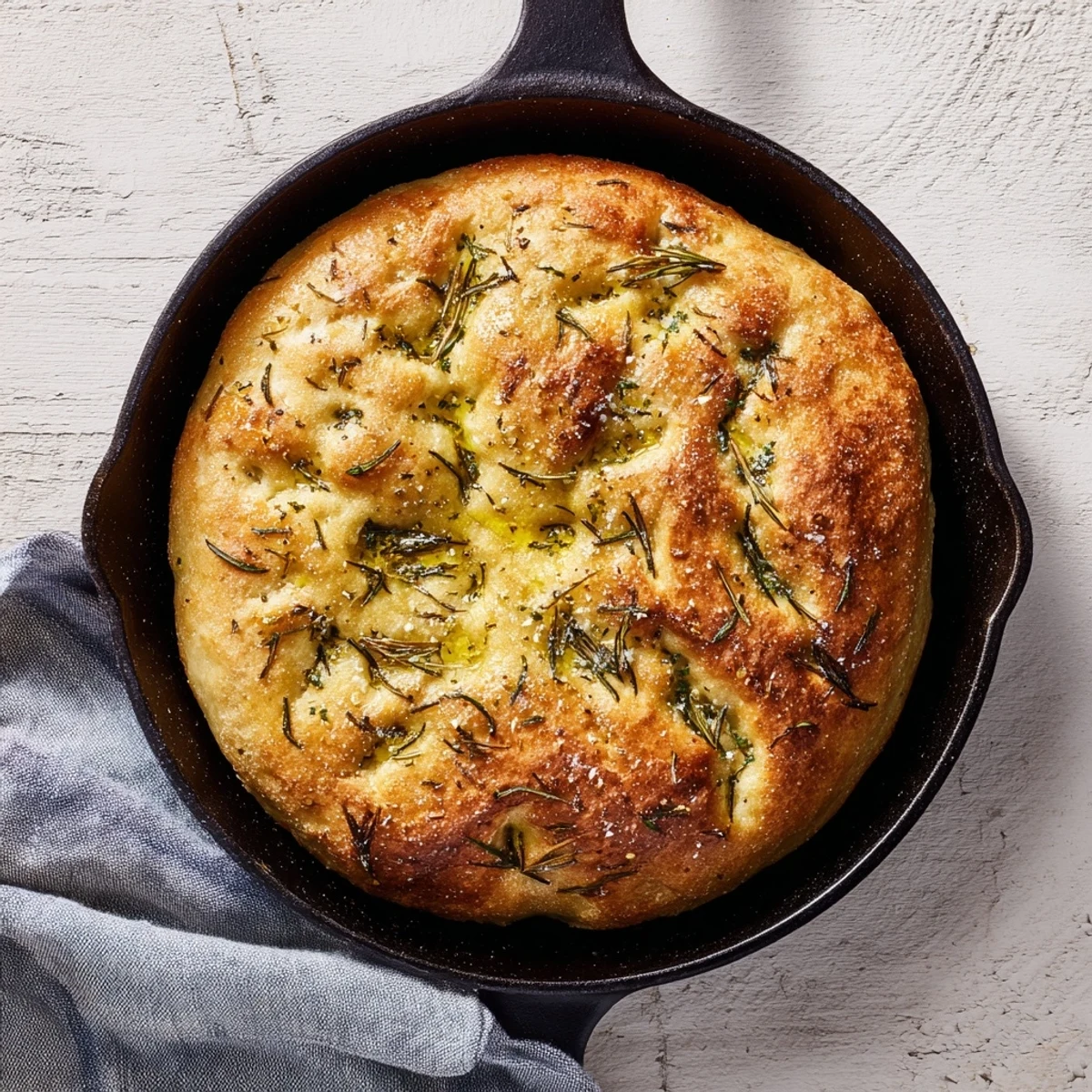
The bread is done when the top is deep golden brown and the crust sounds hollow when tapped. An instant-read thermometer inserted into the center should read 190–200°F (88–93°C). If the top browns too quickly, tent with foil for the last 10 minutes.
- → Can I prepare the dough ahead of time?
-
Yes! After the first rise, punch down the dough and refrigerate it for up to 24 hours. Let it come to room temperature for 30 minutes before pressing into the skillet and completing the second rise. The longer fermentation actually enhances the flavor.
- → What should I serve with this bread?
-
This aromatic bread pairs beautifully with soups, stews, and pasta dishes. It's excellent for dipping in extra virgin olive oil with balsamic vinegar. Serve alongside roasted meats, vegetarian mains, or simply enjoy it warm with butter and a sprinkle of flaky salt.
- → Can I substitute whole wheat flour?
-
You can replace up to half the bread flour with whole wheat flour for a nuttier flavor and more fiber. Keep in mind that whole wheat absorbs more liquid, so you may need to add 1–2 tablespoons of warm water. The texture will be denser but still delicious.