
 Pin this
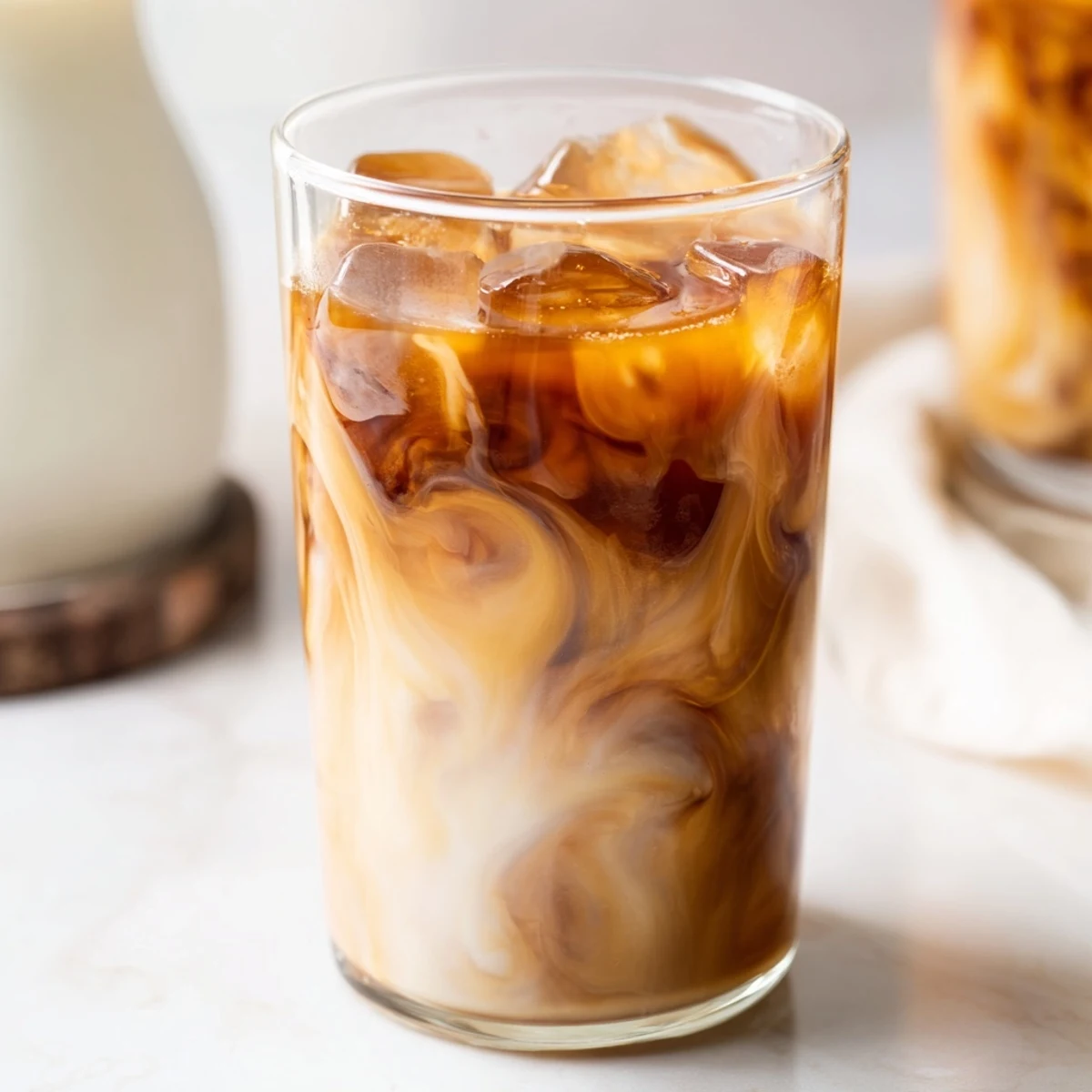
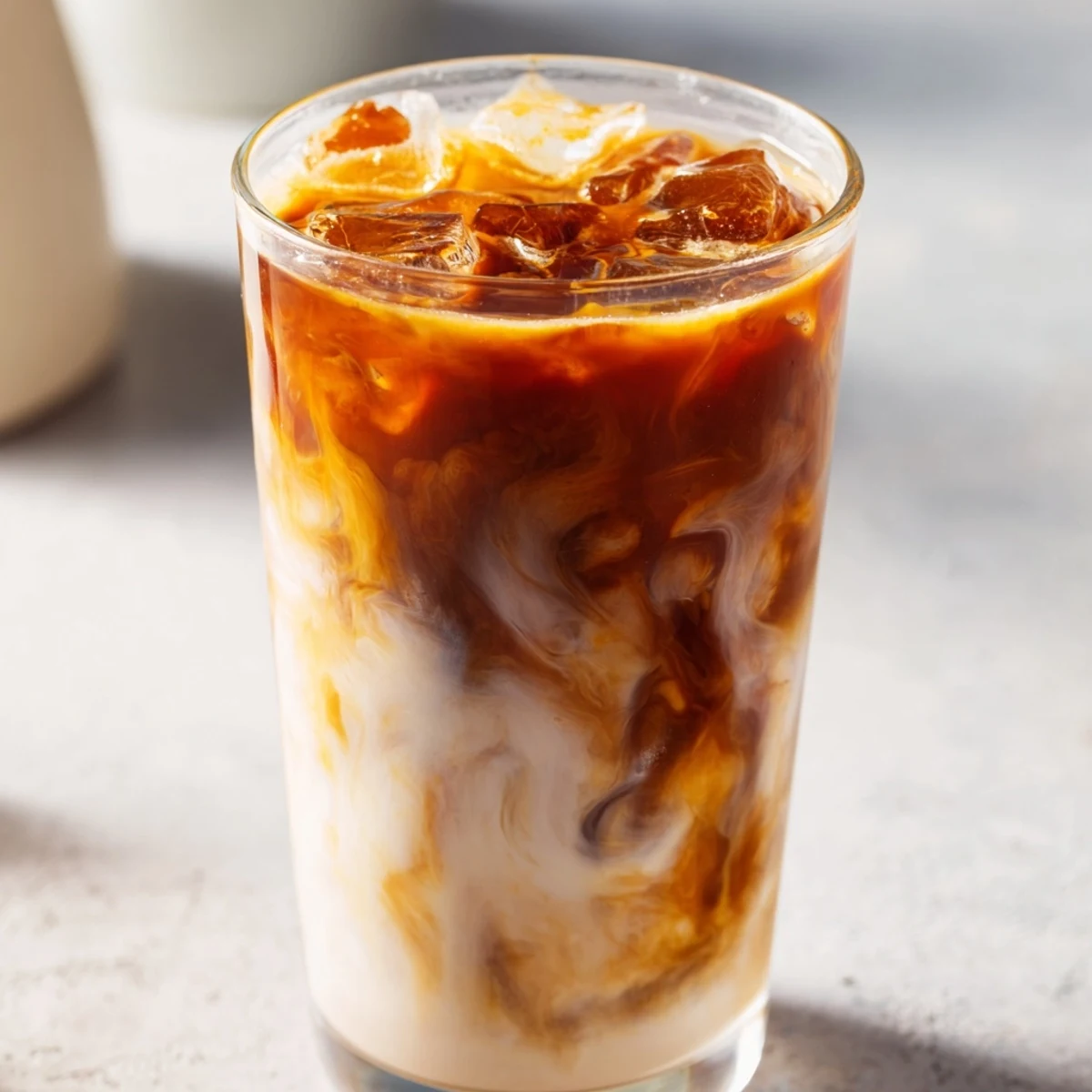
 This Japanese-inspired beverage combines strong black tea with Okinawa brown sugar, creating a drink with deep caramel notes and luxurious creaminess. The kokuto sugar melts beautifully into hot tea, infusing every sip with its signature roasted sweetness. Perfect warm or poured over ice for a cooling treat.
The first time I tried Okinawa milk tea at a tiny café in Kyoto, I actually paused mid-sip to stare at my cup. That deep, almost burnt caramel flavor from the brown sugar was completely unlike any milk tea I'd tasted before. I went back three times that week, slightly embarrassed but completely hooked. Now I make it at home whenever I need a little moment of comfort.
Last summer, my neighbor smelled the brown sugar melting through our open windows and showed up at my door with two empty glasses, pretending she just happened to be passing by. We sat on my porch steps sipping this over ice while her kids ran through sprinklers. It became our Friday afternoon tradition.
Ingredients
- 2 cups water: Use filtered water if possible since it really does affect the tea's clarity and taste
- 2 black tea bags: Assam is ideal here, but any robust black tea works beautifully
- 3 tablespoons Okinawa brown sugar: This is the soul of the drink, with its complex molasses notes
- 1 cup whole milk: The richness balances the tea perfectly, though oat milk works surprisingly well
- Ice cubes: Essential for that authentic café experience at home
Instructions
- Brew the base:
- Bring your water to a gentle boil, then drop in the tea bags and let them simmer for about 4 minutes until you've got a nice, strong infusion going.
- Dissolve the magic:
- Remove the tea bags and stir in that beautiful Okinawa brown sugar while everything's still hot, watching it melt into the tea like liquid amber.
- Warm the milk:
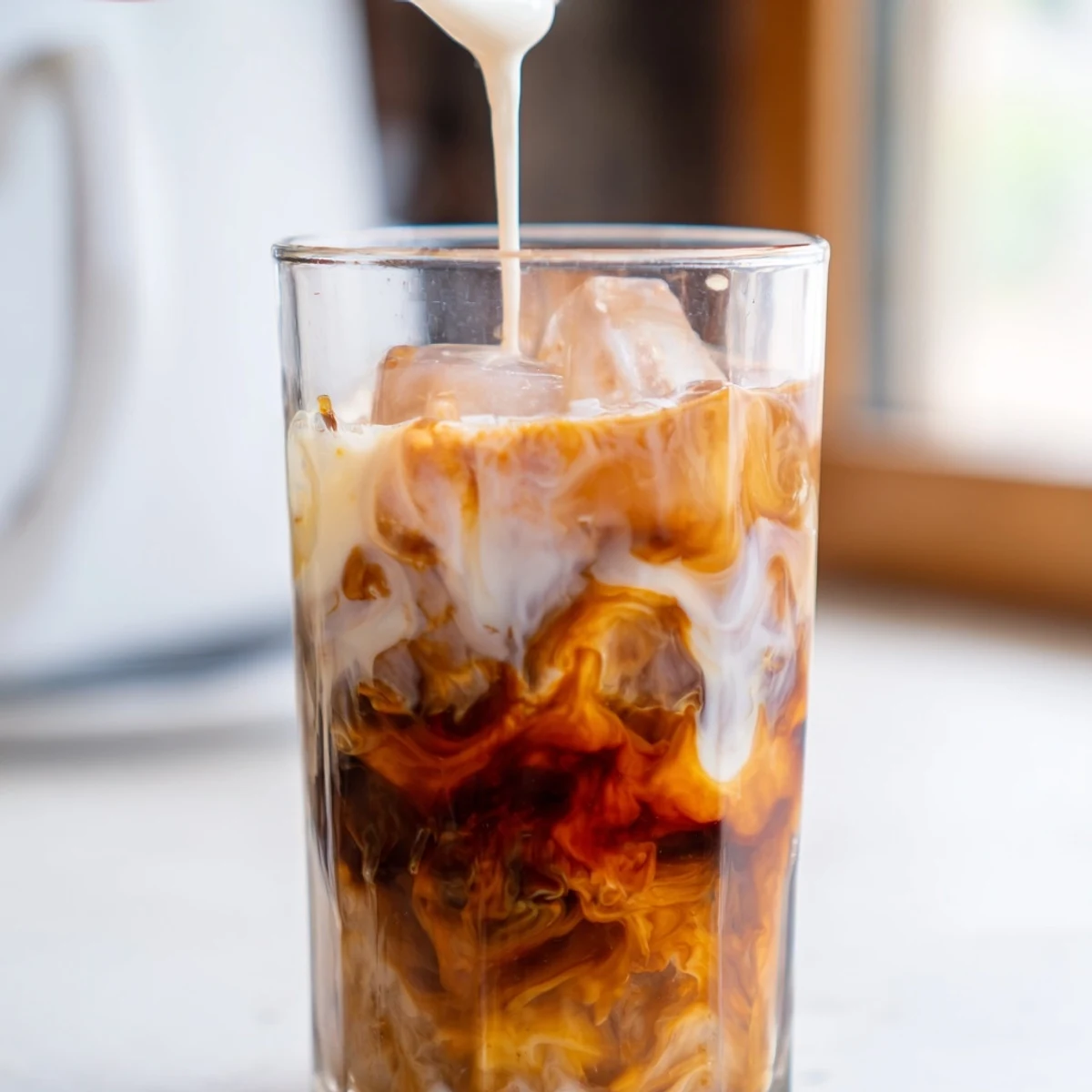
- Pour in the milk and return to the lowest heat possible, just warming everything through without boiling, about 1 to 2 minutes.
- Strain and serve:
- Pour the tea through a strainer into your waiting glasses filled with ice, letting it cool instantly as it hits the cubes.
 Pin this
 My sister tried making this with regular brown sugar and admitted it was good but missing that certain something. I gifted her a bag of kokuto for her birthday and she texted me the next day saying she finally understood what all my fuss was about.
Making It Your Own
I've started experimenting with adding a tiny pinch of sea salt, which somehow makes the caramel notes pop even more. It's this subtle thing that people notice but can't quite put their finger on.
The Perfect Ice Situation
Learned this trick by accident when I made coffee ice cubes once, but freezing some of the tea into ice cubes keeps your drink from getting watered down as you sip. It's a small extra step that makes a huge difference.
Serving Ideas
Sometimes I'll warm it up completely and skip the ice when it's raining outside. Other days, I'll go all out and add tapioca pearls for a proper bubble tea situation.
- Try a dusting of cinnamon on top for warmth
- A splash of vanilla extract makes it feel extra fancy
- Use coconut milk for a tropical twist
 Pin this
 There's something about the ritual of making this that slows down the whole afternoon. Hope it brings you as many quiet moments as it has brought me.
Recipe FAQs
- → What makes Okinawa milk tea unique?
-
Okinawa milk tea stands apart through kokuto, a traditional Japanese brown sugar with rich mineral content and deep roasted flavor. This unrefined sugar creates complex caramel notes that regular brown sugar cannot replicate, giving the drink its distinctive taste and amber color.
- → Can I use different tea varieties?
-
Assam and Japanese black tea work best due to their robust, malty profiles that balance the brown sugar sweetness. Ceylon or English breakfast tea make suitable alternatives. Avoid delicate green or white teas as they cannot stand up to the bold sugar flavors.
- → Is this beverage traditionally served hot or cold?
-
While enjoyed both ways in Japan, serving over ice creates a refreshing contrast between the warm, caramel-infused tea and chilled milk. The ice also mellows sweetness slightly for a perfectly balanced drink. Hot preparation remains popular during cooler months.
- → What creates the creamy texture?
-
Whole milk provides luxurious richness, though oat milk achieves similar creaminess without dairy. The key is warming the milk with tea without boiling, which creates a smooth, velvety mouthfeel. Straining removes any tea particles for a perfectly silky finish.
- → How should I store leftovers?
-
Brewed milk tea keeps refrigerated for up to 2 days in a sealed container. The flavors may intensify slightly as they meld. Reheat gently or pour over fresh ice when ready to enjoy again. Avoid freezing as this can alter the texture.
- → Can I adjust the sweetness level?
-
Absolutely. Start with the suggested three tablespoons of kokuto, then add more to taste while the tea remains hot. The sugar dissolves most easily in warm liquid. Remember that serving over ice will slightly diminish perceived sweetness.