
 Pin this
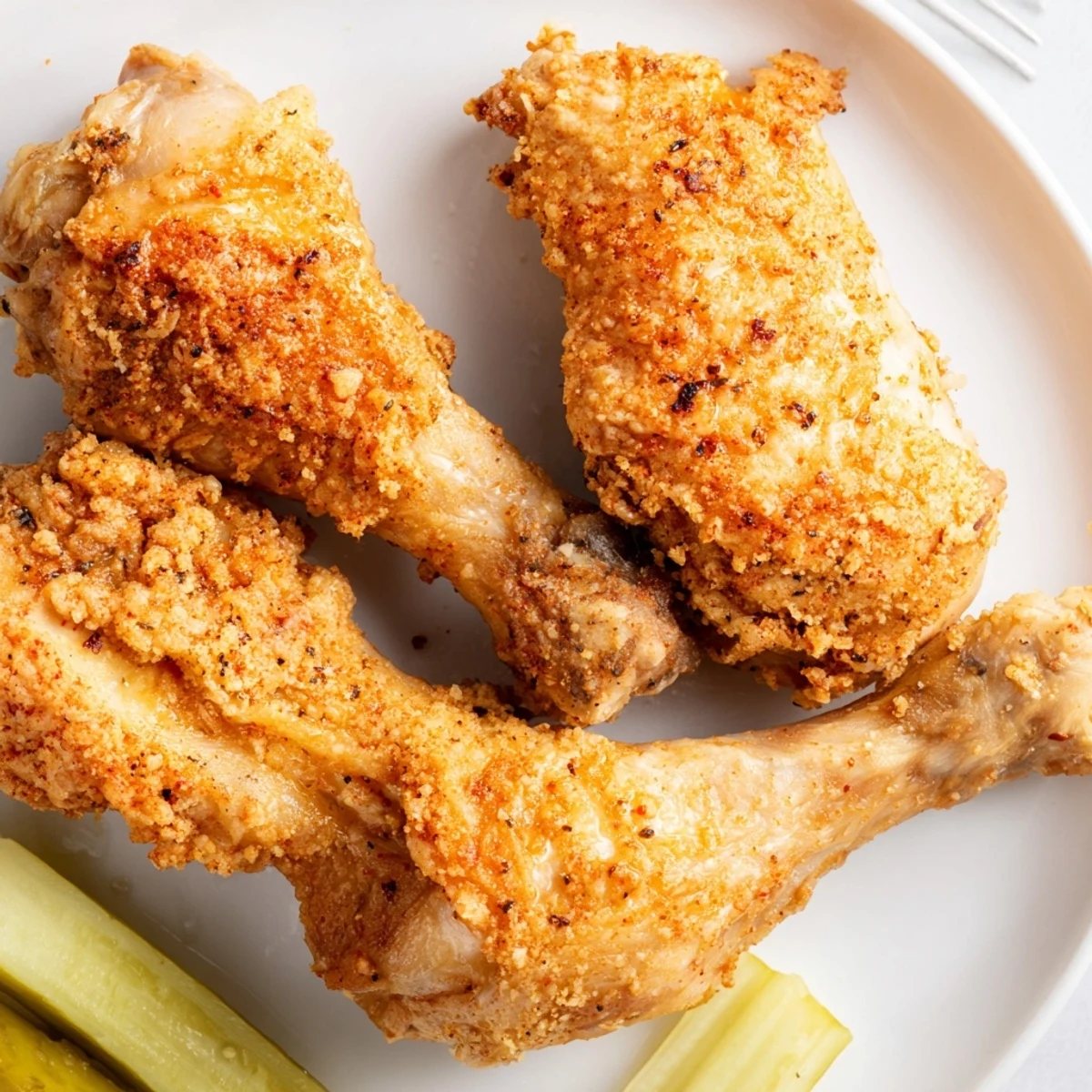
 Brine chicken in buttermilk and hot sauce for at least 2 hours to tenderize and add tang. Dredge in a seasoned mix of flour, cornstarch, paprika, garlic and cayenne for an extra-crisp crust; rest 10 minutes. Fry at 350°F (175°C) until golden and 165°F inside, about 12–15 minutes per batch. Finish by tossing in a warm honey-butter glaze with hot sauce and a pinch of flakes for sticky, spicy-sweet coating. Serve hot with pickles or slaw.
The sizzle of chicken hitting hot oil is a sound that never gets old, especially when you know a jar of honey and a stick of butter are waiting nearby to turn something crispy into something unforgettable. My first attempt at this glaze was a happy accident involving too much hot sauce and a desperate squeeze of honey to fix it. The sticky, fiery result had everyone reaching for seconds before the last piece even left the skillet. That kitchen smelled like a Southern roadside stand, and I have been chasing that moment ever since.
A friend once stood in my kitchen eating straight from the draining rack before I could even glaze the batch. She looked guilty for about two seconds, then grabbed another piece and said the glaze better be worth the wait. It was.
Ingredients
- Chicken: 8 bone in, skin on chicken thighs or drumsticks work best because the meat stays incredibly juicy under that crispy crust.
- Buttermilk: 1 cup is the tenderizing secret that breaks down the meat and adds a subtle tang, so do not skip the overnight soak.
- Hot sauce: 1 teaspoon in the marinade plus 1 to 2 tablespoons in the glaze lets you build heat in layers rather than overwhelming the dish.
- All purpose flour: 1 and a half cups combined with cornstarch creates the shatteringly crisp coating that holds up under the sticky glaze.
- Cornstarch: Half a cup is the trick your grandmother never told you about for an extra crunchy exterior.
- Paprika: 2 teaspoons adds warm color and a gentle smokiness without extra heat.
- Garlic powder: 1 teaspoon brings a savory depth that seeps right into the crust.
- Onion powder: 1 teaspoon rounds out the seasoning blend with a mellow sweetness.
- Cayenne pepper: 1 teaspoon gives the coating a slow burn that pairs beautifully with the sweet glaze.
- Sea salt and black pepper: Used throughout both the marinade and coating to make every seasoning count.
- Vegetable oil: You will need about 2 inches in a heavy skillet for proper frying depth.
- Unsalted butter: One third of a cup melted into the glaze creates a rich, velvety coating that hardens slightly as it cools.
- Honey: A quarter cup is all you need for that glossy, finger licking sweetness.
- Crushed red pepper flakes: A quarter teaspoon is optional but adds a rustic warmth and tiny pops of texture.
Instructions
- Marinate the chicken:
- Whisk the buttermilk, hot sauce, salt, and pepper in a large bowl until blended, then submerge every chicken piece and tuck it into the fridge for at least 2 hours or preferably overnight.
- Mix the coating:
- In a separate large bowl, whisk together the flour, cornstarch, paprika, garlic powder, onion powder, cayenne, salt, and pepper until evenly combined and no lumps remain.
- Dredge with care:
- Pull each piece from the buttermilk, let the excess drip off, and press it firmly into the flour mixture on all sides so every crevice is coated. Set them on a wire rack and give them 10 minutes to settle.
- Heat the oil:
- Pour about 2 inches of vegetable oil into a heavy skillet or deep fryer and bring it to 350 degrees Fahrenheit, which is the sweet spot for golden without burning.
- Fry until golden:
- Lower chicken into the oil in batches so the pan does not crowd, turning occasionally, and fry for 12 to 15 minutes until the crust is deep golden and the internal temperature reads 165 degrees Fahrenheit.
- Make the glaze:
- While the chicken works its magic, melt the butter in a small saucepan over medium heat, stir in the honey, hot sauce, red pepper flakes, and a pinch of salt, then let it bubble for just a minute until everything melds together.
- Glaze and devour:
- Drizzle the warm glaze over the drained chicken or toss it gently in a large bowl, then serve immediately while the contrast between crispy and sticky is at its peak.
 Pin this
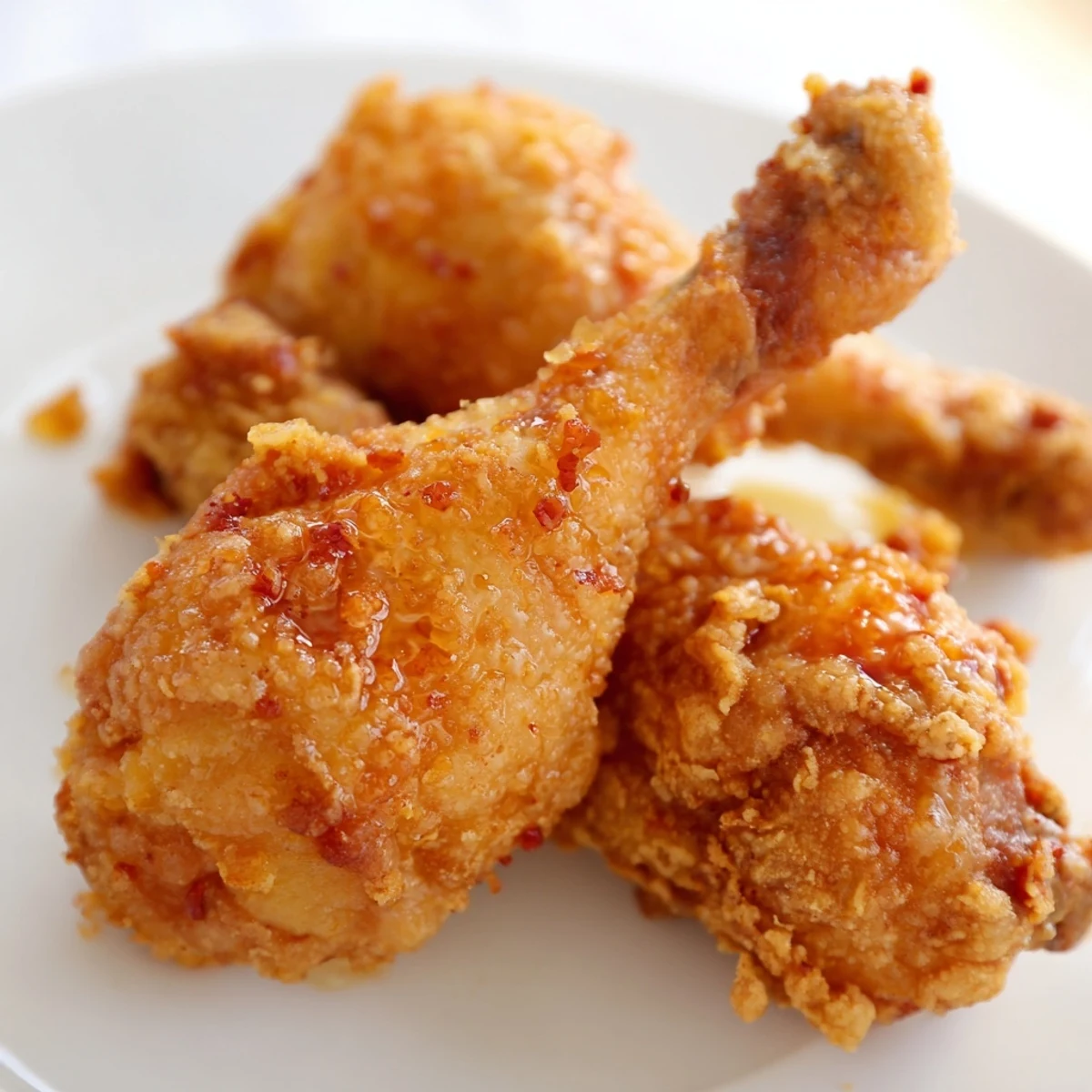
 The real reward is watching someone bite through that crackly crust into impossibly juicy meat while honey butter drips down their chin. That is the moment this dish stops being dinner and starts being a memory.
Getting The Crust Right Every Time
The double dip method changed everything for me. After the first flour coating, dip the chicken back into the buttermilk and then into the flour once more. It sounds fussy but the extra layer creates those gorgeous, jagged crispy bits that catch the glaze like tiny flavor pockets. You will never go back to single dipped after you try it.
Choosing Your Heat Level
Start conservative with the cayenne and hot sauce, taste the glaze before committing, and remember you can always add more but you cannot take it away. I once made the mistake of going heavy handed for guests who turned out to be heat sensitive, and I spent dinner apologizing between refills of milk. A gentle warmth that builds is far more crowd pleasing than a four alarm fire.
What To Serve Alongside
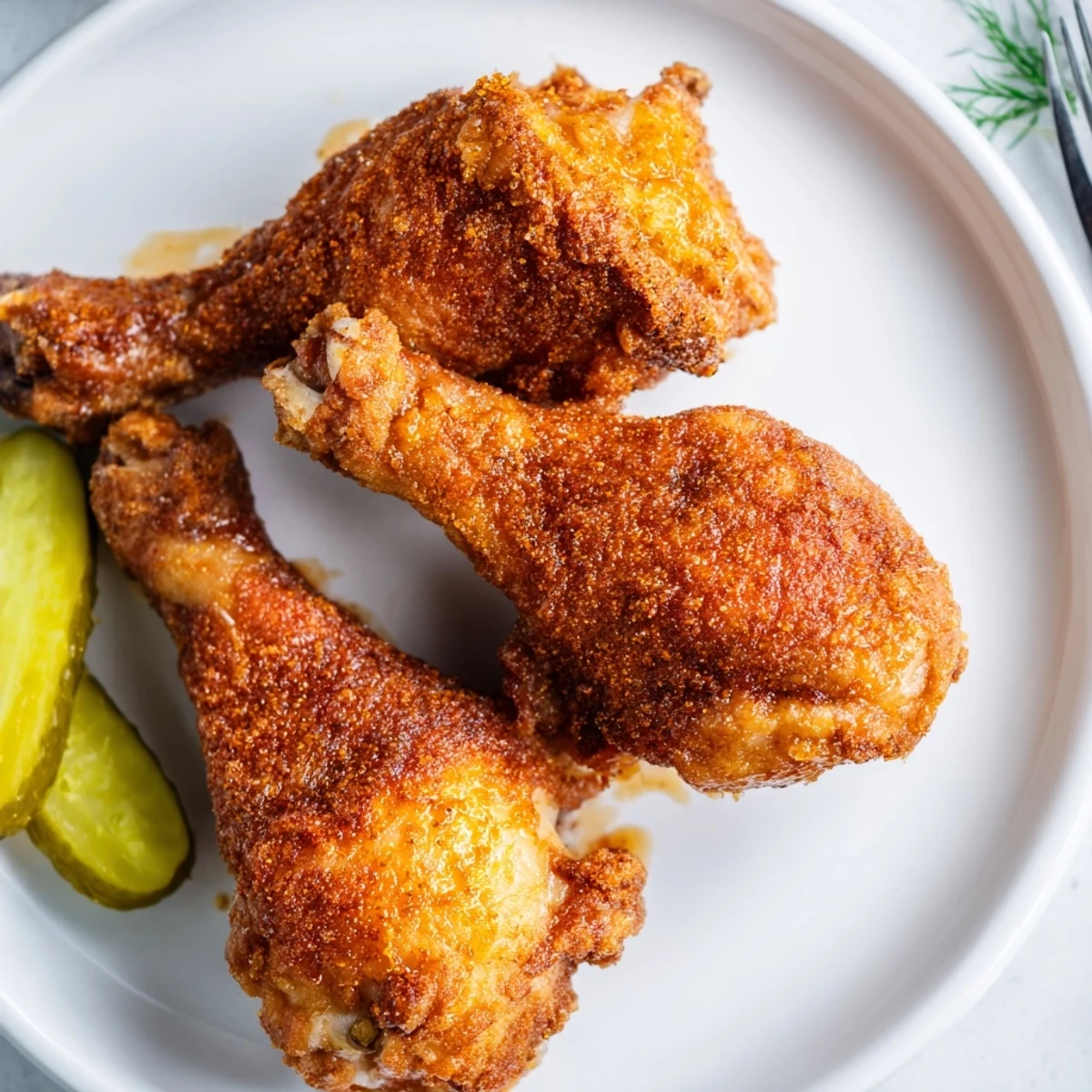
This chicken shines brightest when paired with something cool and crunchy to balance the richness. A tangy coleslaw, warm cornbread, or a simple plate of dill pickles does the job beautifully.
- Refrigerate leftover glaze in a jar and reheat gently to pour over leftover chicken or even roasted vegetables.
- Boneless pieces work fine but shave about 5 minutes off the frying time and watch them closely.
- Always let the oil come back up to temperature between batches for consistent results.
 Pin this
 Fried chicken has a way of pulling people into the kitchen before you even call them, and this sticky, spicy version does it faster than anything else I cook. Serve it with napkins nearby and watch the silence of happy eaters do all the talking.
Recipe FAQs
- → How long should I marinate the chicken?
-
Marinate a minimum of 2 hours to tenderize and impart tang from the buttermilk; overnight gives the best texture and deeper flavor.
- → What frying temperature is best for a crispy crust?
-
Maintain oil at about 350°F (175°C). That temperature cooks through the meat while creating a golden, crisp exterior without burning the coating.
- → How can I make the coating extra crunchy?
-
Use a mix of flour and cornstarch, press the coating onto the chicken, let it rest 10 minutes, and consider double-dipping through buttermilk and flour for an extra-crisp double crust.
- → How do I balance the heat in the glaze?
-
Start with 1 tablespoon hot sauce in the glaze and taste. Add more hot sauce or cayenne incrementally; crushed red pepper adds texture and adjustable heat.
- → Can I use boneless chicken instead of bone-in pieces?
-
Yes—boneless thighs or breasts work. Reduce frying time and monitor internal temperature closely; boneless pieces cook faster and stay juicier if not overcooked.
- → What's the best way to reheat leftovers without losing crispness?
-
Reheat in a 375°F oven on a wire rack over a sheet pan for 10–12 minutes to restore crispness, then briefly toss with warm glaze so it stays sticky but not soggy.