
 Pin this
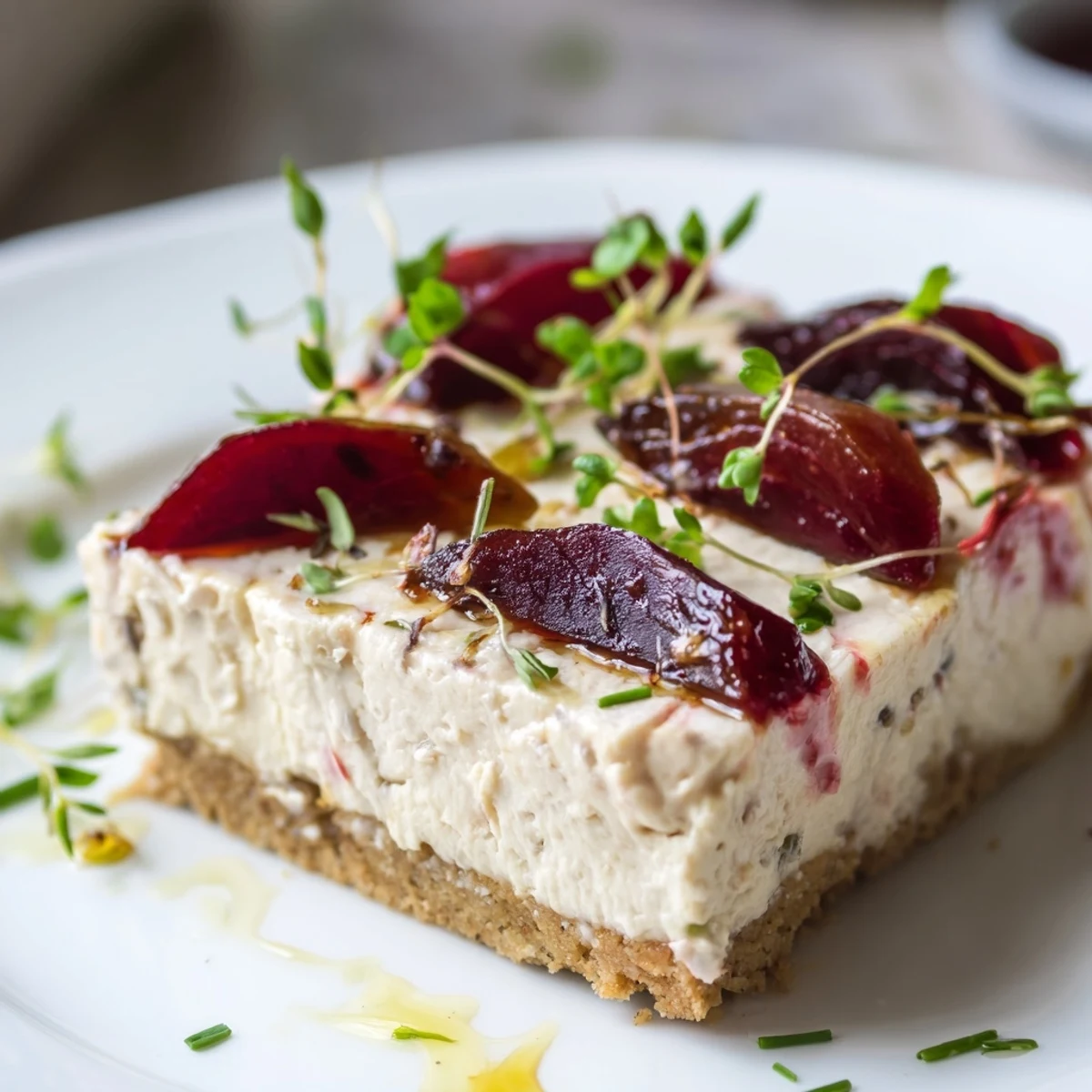
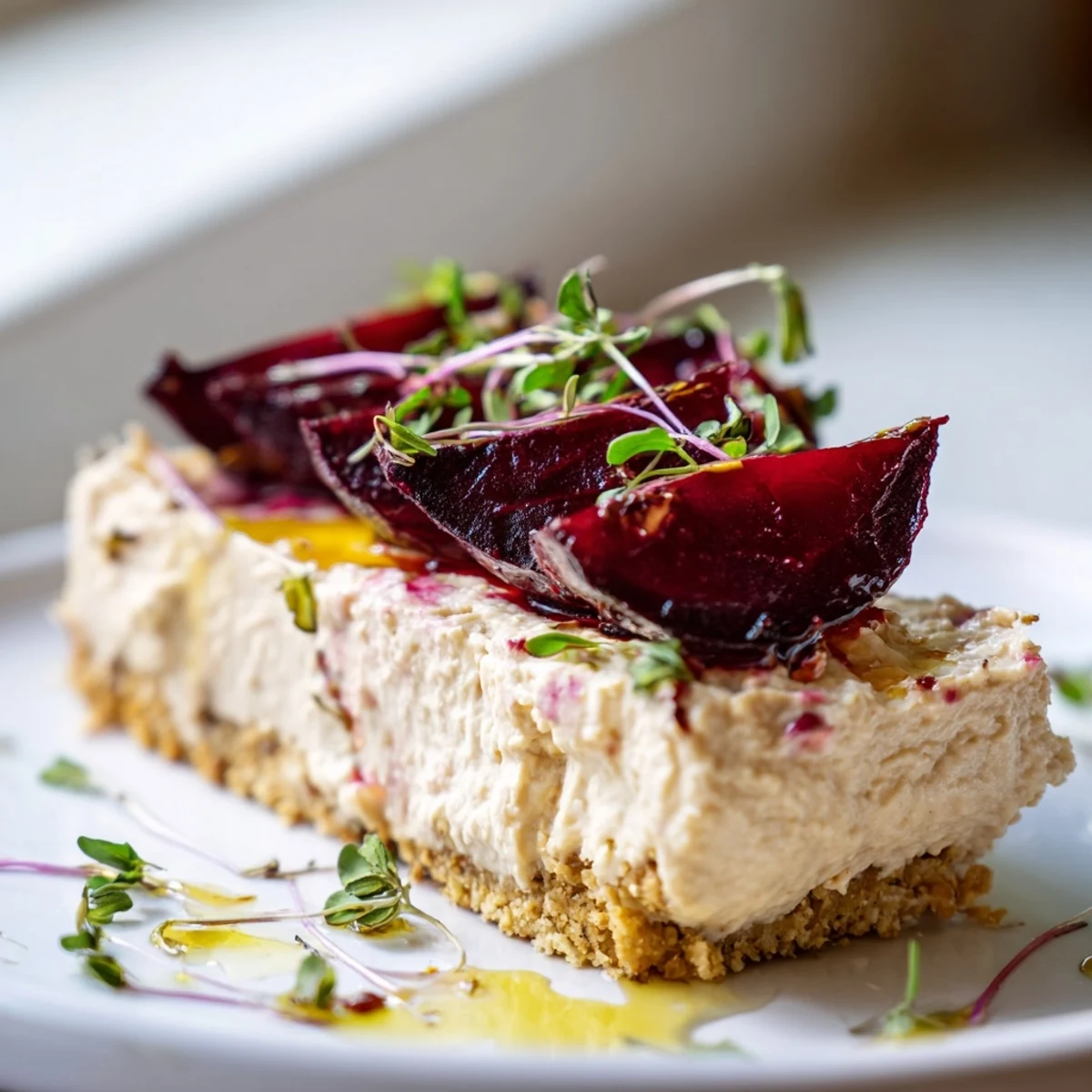
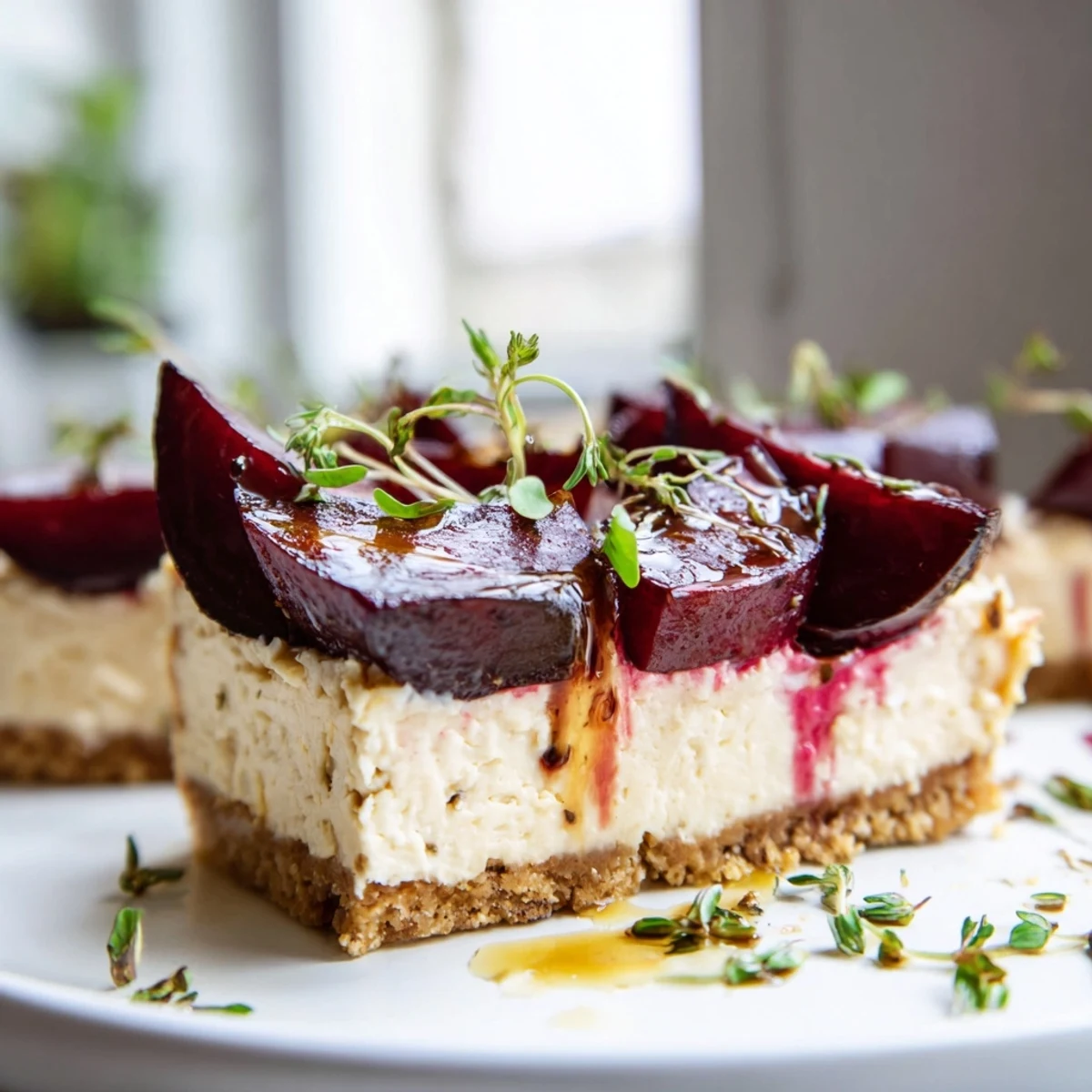
 This stunning European-style savoury cheesecake combines creamy cheeses with aromatic thyme and lemon zest, all resting on a buttery wholemeal crumb crust. The sweet, caramelized roasted beetroot creates a beautiful contrast against the rich, velvety filling. Fresh chives and microgreens add brightness, while a final drizzle of extra virgin olive oil brings everything together. Serve chilled or at room temperature for the perfect appetizer that will impress your guests.
The first time I served this at a dinner party, my guests looked genuinely confused when I placed a cheesecake on the table alongside the main course plates. Someone actually asked if we were having dessert first, which made me laugh as I explained this was entirely savory and packed with roasted beetroot and three kinds of cheese. Their skepticism vanished the moment they took that first bite, and now it's the most requested dish whenever I host.
Last autumn, my sister came over to help me test recipes and we spent the entire afternoon taste testing different cheese combinations. We ended up eating warm slices straight from the springform pan with our forks, debating whether the Gruyère or aged cheddar hit the right notes. The kitchen smelled like thyme and roasted vegetables for days afterward.
Ingredients
- Wholemeal crackers: These create a nutty foundation that holds up beautifully against the rich filling
- Unsalted butter: Melted and mixed through the crumbs creates that essential press together texture
- Cream cheese: Room temperature is non negotiable here or you will end up with lumpy filling
- Ricotta: Adds a lighter fluffiness that prevents the cheesecake from becoming too dense
- Mature cheddar or Gruyère: This is where the real savory flavor comes from so do not skimp on quality
- Eggs: Room temperature eggs incorporate more smoothly into the cheese mixture
- Fresh thyme: Woody herbs pair perfectly with the earthiness of the beetroot
- Lemon zest: Just enough brightness to cut through all that creamy richness
- Beetroots: Peeling before roasting helps them caramelize instead of steam in their skins
- Balsamic vinegar: The acidity balances the sweetness and intensifies the beet flavor
- Fresh chives: A mild onion finish that does not overpower the delicate cheese flavors
Instructions
- Prep your crust foundation:
- Pulse those crackers into fine crumbs and stir in melted butter and sea salt until it resembles damp sand. Press the mixture firmly into your lined springform pan using the back of a spoon to create an even layer that will hold everything together.
- Bake the base:
- Spend 10 minutes in the oven until golden and fragrant. Let it cool completely while you make the filling because a hot crust will cause your cheesecake to crack unpredictably.
- Build the creamy filling:
- Beat the cream cheese until silky smooth then incorporate the ricotta and your chosen hard cheese. Add eggs one at a time, letting each fully disappear before introducing the next.
- Add the aromatic touches:
- Fold in fresh thyme leaves, lemon zest, black pepper, and salt. The mixture should be thick and spreadable, like a luxurious cheesecake batter that happens to taste like dinner.
- Slow bake to perfection:
- Pour over your cooled crust and smooth the top. Bake for 40 to 45 minutes until the center is just set with a slight wobble when you gently shake the pan. Overbaking will create a dry, crumbly texture instead of that creamy dreaminess we want.
- Patience pays off:
- Cool completely at room temperature then chill for at least 2 hours, though overnight is even better. The texture improves as the flavors meld and the filling firms up into perfectly sliceable portions.
- Roast the beetroots:
- Toss wedges with olive oil, balsamic vinegar, salt and pepper. Spread them out on a roasting tray so they have room to caramelize properly. Roast at 200°C for 30 to 35 minutes until tender and the edges are catching that beautiful dark sweetness.
- Bring it all together:
- Release the cheesecake from its pan and arrange those roasted beet wedges across the top. Scatter fresh chives and microgreens like you are finishing a painting, then finish with a generous drizzle of your best olive oil.
 Pin this
 My friend initially refused to try this because she could not wrap her head around savory cheesecake as a concept. After one hesitant bite at a summer garden party, she went back for seconds and asked for the recipe before she even finished her slice. Sometimes the most unexpected combinations become the ones we cannot stop thinking about.
Make It Your Own
I have swapped the thyme for fresh rosemary when that is what I had growing in the garden, and the woodier flavor brought out something entirely new in the beetroot. Goat cheese instead of cheddar makes it tangier and brighter, while adding crumbled walnuts to the crust creates a lovely textural contrast that people always notice but cannot quite place.
Serving Suggestions
This works as an impressive appetizer sliced into thin wedges or as a light main with a simple green salad dressed in something acidic to cut the richness. I have also served it as part of a brunch spread, where it holds its own alongside quiche and pastries without feeling too heavy for midday.
Timing Tricks
The cheesecake actually improves in texture if made a day ahead, so the filling firms up properly and the crust has time to hydrate slightly from the moisture above. You can roast the beetroots up to two days in advance and store them in the refrigerator, then bring them to room temperature before serving so their flavor comes through fully.
- Bring all ingredients out of the fridge at least an hour before starting
- Run a knife around the edge before releasing the springform
- Room temperature slices taste more vibrant than cold ones from the fridge
 Pin this
 There is something deeply satisfying about serving a dish that makes people reconsider what a familiar format can become. This recipe has taught me that some of the best kitchen discoveries come from asking what if instead of following the rules everyone else has already written.
Recipe FAQs
- → Can I make this cheesecake ahead of time?
-
Yes, this actually benefits from being made ahead. The flavors develop and the texture improves after chilling for at least 2 hours, though preferably overnight in the refrigerator.
- → What can I use instead of beetroot?
-
Roasted red peppers, caramelized onions, or roasted cherry tomatoes work beautifully as alternatives. Each brings a different sweetness and color profile to the dish.
- → Is this suitable for vegetarians?
-
Yes, this is completely vegetarian. Just ensure your crackers are vegetarian-friendly, and use vegetarian cheese if needed.
- → Can I freeze this cheesecake?
-
The cheesecake itself freezes well for up to 3 months. However, add the roasted beetroot and garnishes fresh after thawing for the best texture and presentation.
- → What wine pairs best with this dish?
-
A crisp Sauvignon Blanc or Pinot Gris complements the creamy richness and cuts through the cheese beautifully. The acidity balances the earthy beetroot flavors perfectly.
- → How do I know when the cheesecake is done?
-
The center should be just set with a slight wobble when you gently shake the pan. It will continue to firm up as it cools, so avoid overbaking.