
 Pin this
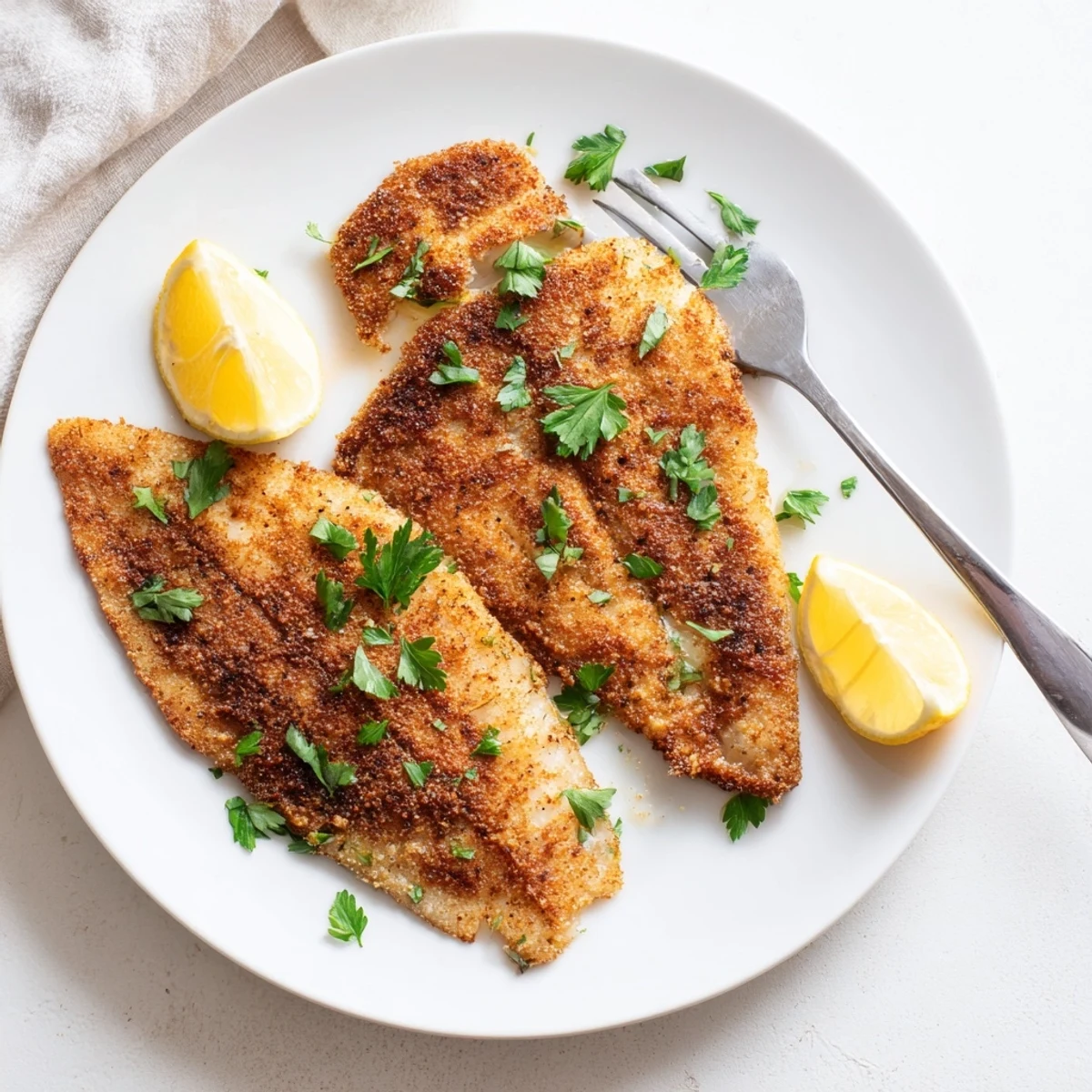
 This pan fried tilapia delivers perfectly golden, crispy fillets in under 20 minutes, making it an excellent choice for busy weeknights. The mild, flaky fish is seasoned with a blend of salt, pepper, paprika, and garlic powder, then lightly dredged in flour before being seared in a combination of olive oil and butter.
Each fillet cooks in just 3-4 minutes per side, developing a beautifully crisp exterior while remaining tender and moist inside. The dish is naturally gluten-free when using GF flour and fits well into low-carb eating plans.
Serve with a squeeze of fresh lemon, a sprinkle of chopped parsley, and your choice of steamed vegetables, rice, or a crisp salad for a complete, satisfying meal.
The sizzle of fish hitting a hot skillet is one of those sounds that instantly makes a kitchen feel alive, and tilapia is the quiet hero that makes it happen on even the busiest evenings. I started cooking this on a Tuesday when the fridge offered nothing but a few fillets and half a lemon, and it turned into the thing my family now asks for by name. It takes barely twenty minutes from fridge to plate, which feels almost like cheating for something this satisfying. The golden crust and gentle squeeze of lemon juice over the top make it feel like a meal you would order at a coastal café.
One summer evening I made this for my neighbor who had just returned from a long trip, and she stood in the kitchen eating it straight off the spatula before it even reached a plate. We laughed about it, but honestly that is the highest compliment a home cook can receive. Now whenever she travels, I make sure to have tilapia waiting in the fridge for her return.
Ingredients
- 4 tilapia fillets, about 150g each: Fresh is best, but thawed frozen fillets work well too if you pat them thoroughly dry before seasoning.
- 1 teaspoon salt: This amount may seem generous, but tilapia is mild and needs the salt to bring its subtle flavor forward.
- 1/2 teaspoon ground black pepper: Freshly cracked pepper adds a gentle warmth that pre ground simply cannot match.
- 1/2 teaspoon paprika, optional: A touch of smokiness that lifts the dish from simple to special without any extra effort.
- 1/2 teaspoon garlic powder: It distributes evenly across the surface and avoids the burning issue that fresh minced garlic can cause in a hot pan.
- 1/4 cup gluten free flour or all purpose flour: Just a light dusting is all you need to create that irresistible golden crust.
- 2 tablespoons olive oil: The neutral, high heat friendly base that keeps the butter from burning.
- 1 tablespoon unsalted butter: This is where the flavor lives, and you only need a little to make a big impact.
- 2 tablespoons fresh parsley, chopped: A bright, grassy finish that makes the plate look as good as it tastes.
- 1 lemon, cut into wedges: Never skip the lemon, because that final squeeze ties every element together.
Instructions
- Dry and season the fish:
- Lay the tilapia fillets on a clean surface and press paper towels firmly against both sides until no moisture remains. Sprinkle the salt, pepper, paprika, and garlic powder evenly across each fillet, then flip and repeat on the other side.
- Apply the flour coating:
- Spread the flour on a shallow plate and gently press each seasoned fillet into it, flipping once. Give each one a gentle shake to remove any excess, because too much flour creates a gummy layer instead of a crisp one.
- Heat the skillet:
- Set a large non stick skillet over medium high heat and add the olive oil and butter together. Wait until the butter stops bubbling and you see a faint shimmer across the surface, which tells you the pan is ready.
- Cook the fillets:
- Lay the fillets in the pan carefully, working in batches if needed to avoid crowding. Let them cook undisturbed for three to four minutes until the edges turn golden, then flip gently and cook another three minutes until the fish flakes easily when pressed with a fork.
- Drain briefly:
- Transfer the cooked fillets to a plate lined with fresh paper towels and let them rest for just a moment. This quick step keeps the bottom from turning soggy.
- Garnish and serve:
- Scatter the chopped parsley over the fillets while they are still warm so the herbs release their fragrance. Arrange lemon wedges alongside and serve immediately while the crust is at its crispiest.
 Pin this
 There was a night I cooked this by open window during a rainstorm, and the sound of sizzling fish mixed with the downpour outside made the whole kitchen feel like its own little world. My daughter walked in, closed her eyes, and said it smelled like vacation. Sometimes a simple plate of food becomes the memory you hold onto longest.
Getting the Crust Right Every Time
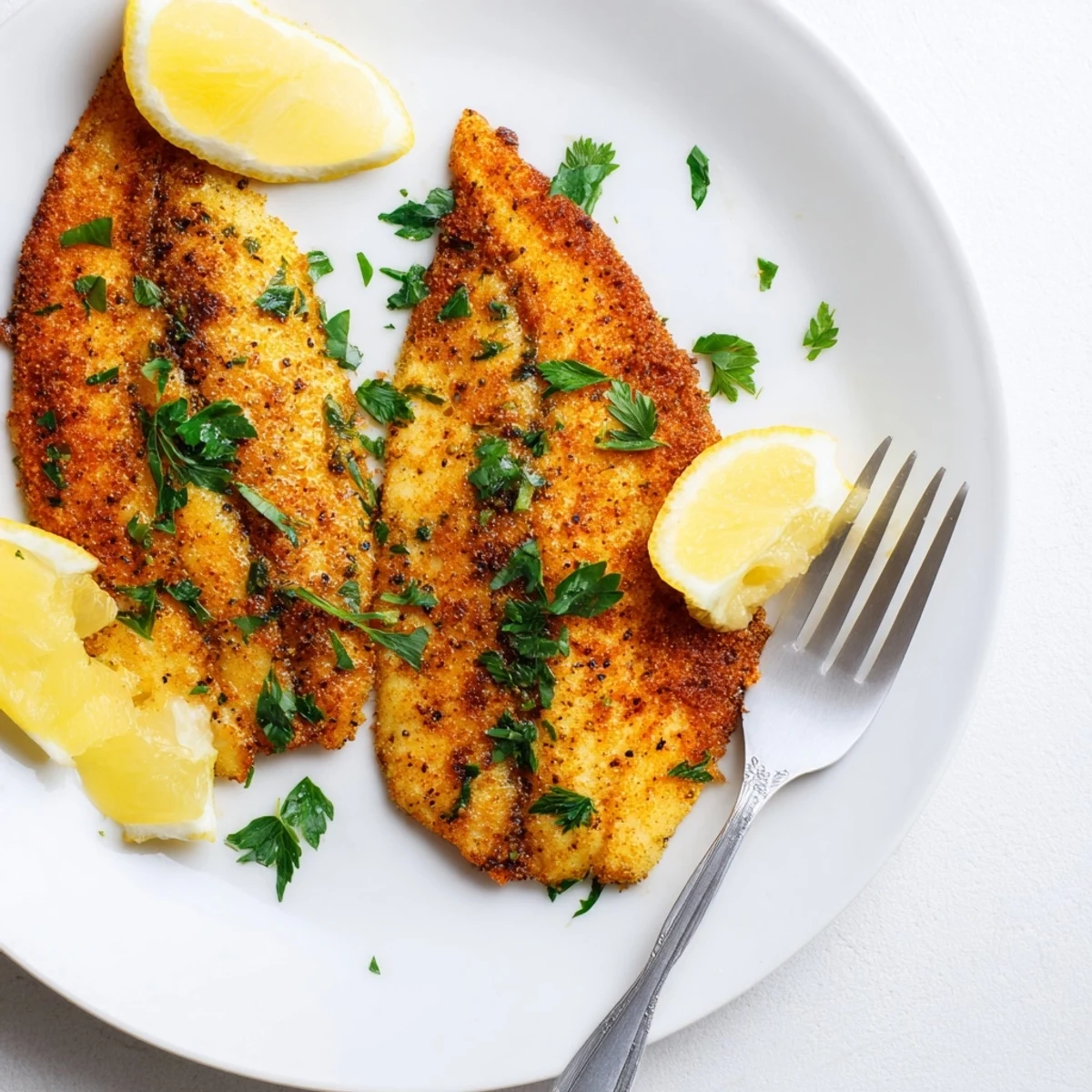
The trick to a consistent golden crust is patience during the first minute of cooking. Your instinct will be to check the underside early, but moving the fish too soon tears the coating before it has a chance to set. Let the heat do its work and you will feel the fillet release naturally from the pan when it is ready to flip.
Simple Swaps and Pairings
Cod and sole are excellent substitutes if tilapia is unavailable, and each brings its own texture to the dish. I have served this over steamed rice, alongside roasted asparagus, and even tucked into warm corn tortillas for a quick fish taco situation. A glass of crisp Sauvignon Blanc alongside turns a Tuesday dinner into something that feels intentional.
Handling and Storing Leftovers
Leftover tilapia keeps well in an airtight container in the refrigerator for up to two days, though the crust will soften over time. A quick reheat in a dry skillet restores more crunch than the microwave ever could.
- Flake leftover fillets over a green salad for an easy next day lunch.
- Add a pinch of cayenne to the seasoning mix if you want a subtle kick that does not overwhelm.
- Always check ingredient labels on flour blends if cooking for someone with gluten sensitivity.
 Pin this
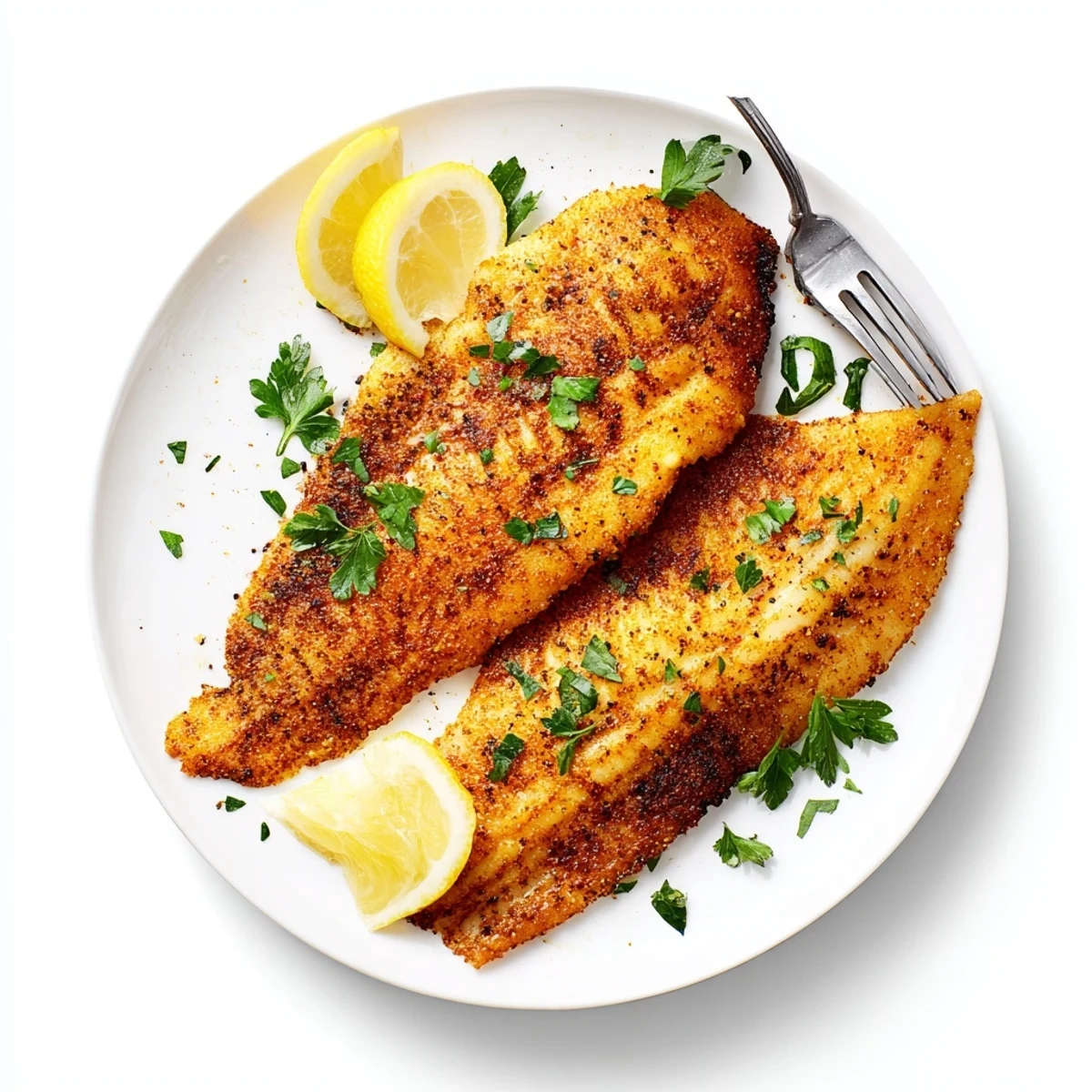
 This is the kind of unpretentious, reliable recipe that earns a permanent spot in your rotation, not because it is flashy, but because it always delivers. Keep a bag of tilapia in the freezer and you are never more than twenty minutes from a really good dinner.
Recipe FAQs
- → How do I know when tilapia is fully cooked?
-
Tilapia is done when the flesh turns opaque white and flakes easily when tested with a fork. The internal temperature should reach 145°F (63°C). Avoid overcooking, as the fish will become dry and rubbery.
- → Can I use frozen tilapia fillets?
-
Yes, but thaw them completely in the refrigerator overnight before cooking. Pat the fillets thoroughly dry with paper towels to ensure proper browning and a crispy crust during pan frying.
- → What can I substitute for tilapia?
-
Cod, sole, flounder, or catfish work as excellent substitutes. Choose firm white fish fillets of similar thickness to ensure even cooking. Adjust cooking time slightly based on fillet thickness.
- → Why does my fish stick to the pan?
-
Fish typically sticks when the pan isn't hot enough or the fillets aren't properly dried. Ensure your skillet is preheated over medium-high heat, pat fillets completely dry, and avoid moving the fish until a golden crust has formed.
- → How should I store leftover pan fried tilapia?
-
Store cooled leftovers in an airtight container in the refrigerator for up to 2 days. Reheat gently in a skillet over medium heat to restore some crispness. Microwaving will make the coating soft.
- → Is pan fried tilapia gluten-free?
-
It can be. Simply substitute all-purpose flour with gluten-free flour, almond flour, or cornmeal for the dredging step. All other ingredients in this preparation are naturally gluten-free.