 Pin this
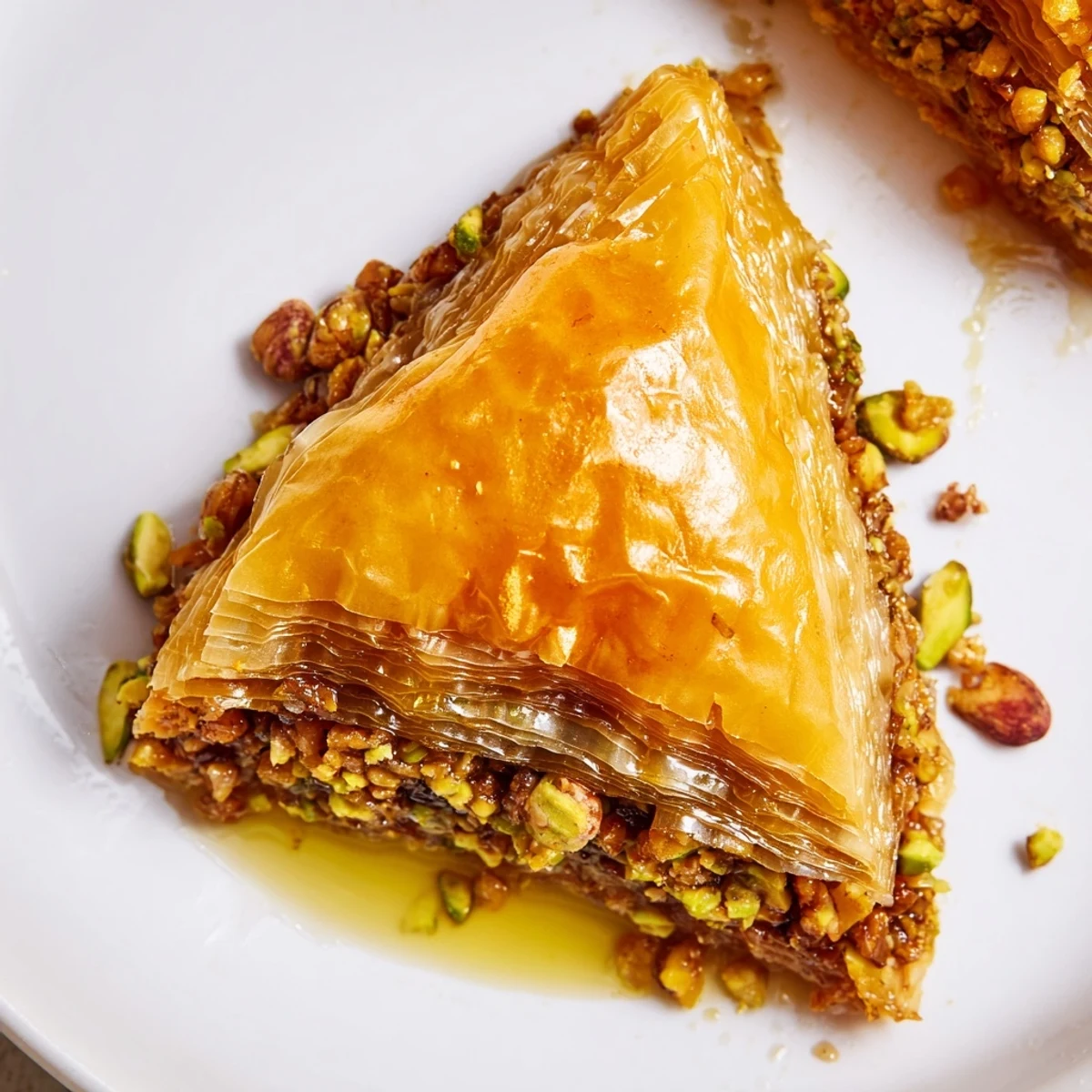
 Create this stunning Middle Eastern dessert featuring layers of butter-brushed phyllo dough filled with a crunchy mixture of walnuts, pistachios, and almonds. The pastry bakes until golden and crisp, then gets drenched in a fragrant syrup made from honey, lemon juice, and cinnamon. Each piece offers the perfect balance of textures—shattering flakes on the outside, tender nuts within, and a sweet sticky finish. The key is working quickly with phyllo, brushing every sheet generously with melted butter, and pouring the warm syrup over hot pastry for maximum absorption. Serve alongside Turkish coffee for an authentic experience.
The air in my grandmother's kitchen always thickened with butter and cinnamon whenever baklava appeared on her counter. I'd hover nearby, watching her hands move with practiced grace while she painted each translucent sheet of phyllo with melted butter. That scent still pulls me back to Friday afternoons, waiting for the syrup to cool enough that we could finally steal a corner piece.
I brought my first batch to a Ramadan dinner, nervous that my grandmother's reputation rested on my shoulders. My uncle took one bite, closed his eyes, and quietly said it tasted exactly like home. That moment of validation still makes me smile every time I pull a golden pan from the oven.
Ingredients
- Phyllo dough: Work quickly but gently, keeping unused sheets covered with a damp towel so they don't become brittle and impossible to handle
- Unsalted butter: Melt it completely and keep it warm, as cold butter creates uneven spots that prevent the layers from crisping properly
- Mixed nuts: The trio of walnuts, pistachios, and almonds creates depth, but pulse them carefully, as overprocessing turns them into paste
- Cinnamon: This warm spice bridges the gap between the buttery pastry and the sweet syrup, so don't be tempted to skip it
- Water: Use filtered water if possible, as any mineral taste becomes concentrated in the syrup
- Sugar: White sugar dissolves more cleanly than unrefined options, giving the syrup its signature clarity
- Lemon juice: This crucial addition balances the syrup's sweetness and prevents it from crystallizing as it cools
- Honey: Add it near the end of simmering so its delicate floral notes don't evaporate away
- Cinnamon stick: Infusing the syrup with a whole cinnamon stick provides a gentler spice than ground cinnamon ever could
Instructions
- Prepare your workspace:
- Preheat your oven to 180°C (350°F) and generously butter a 23x33 cm baking dish, paying special attention to the corners where phyllo tends to stick
- Mix the filling:
- Combine the chopped nuts, sugar, and cinnamon in a bowl until evenly distributed
- Handle the phyllo:
- Unroll the dough and immediately cover it with a slightly damp kitchen towel, only removing the sheets you're actively working with
- Build the first layer:
- Lay down 8 sheets of phyllo, brushing each one thoroughly with melted butter before adding the next
- Add the first nut layer:
- Sprinkle about one third of your nut mixture evenly across the buttered phyllo, reaching into all the corners
- Create the middle layer:
- Add 4 more buttered phyllo sheets, then spread half of the remaining nuts across them
- Form the final layer:
- Place 4 more buttered sheets on top, followed by the last of the nut mixture
- Complete the assembly:
- Finish with your remaining phyllo sheets, buttering each one carefully, then use a sharp knife to cut diamonds or squares before baking
- Bake to golden:
- Bake for 35 to 40 minutes until the top turns deeply golden and the layers feel firm to the touch
- Simmer the syrup:
- Combine water, sugar, lemon juice, honey, cinnamon stick, and orange peel in a saucepan, then boil and simmer for 10 minutes before cooling slightly
- Combine hot and warm:
- Pour the warm syrup slowly over the freshly baked baklava, letting it absorb completely before serving
 Pin this
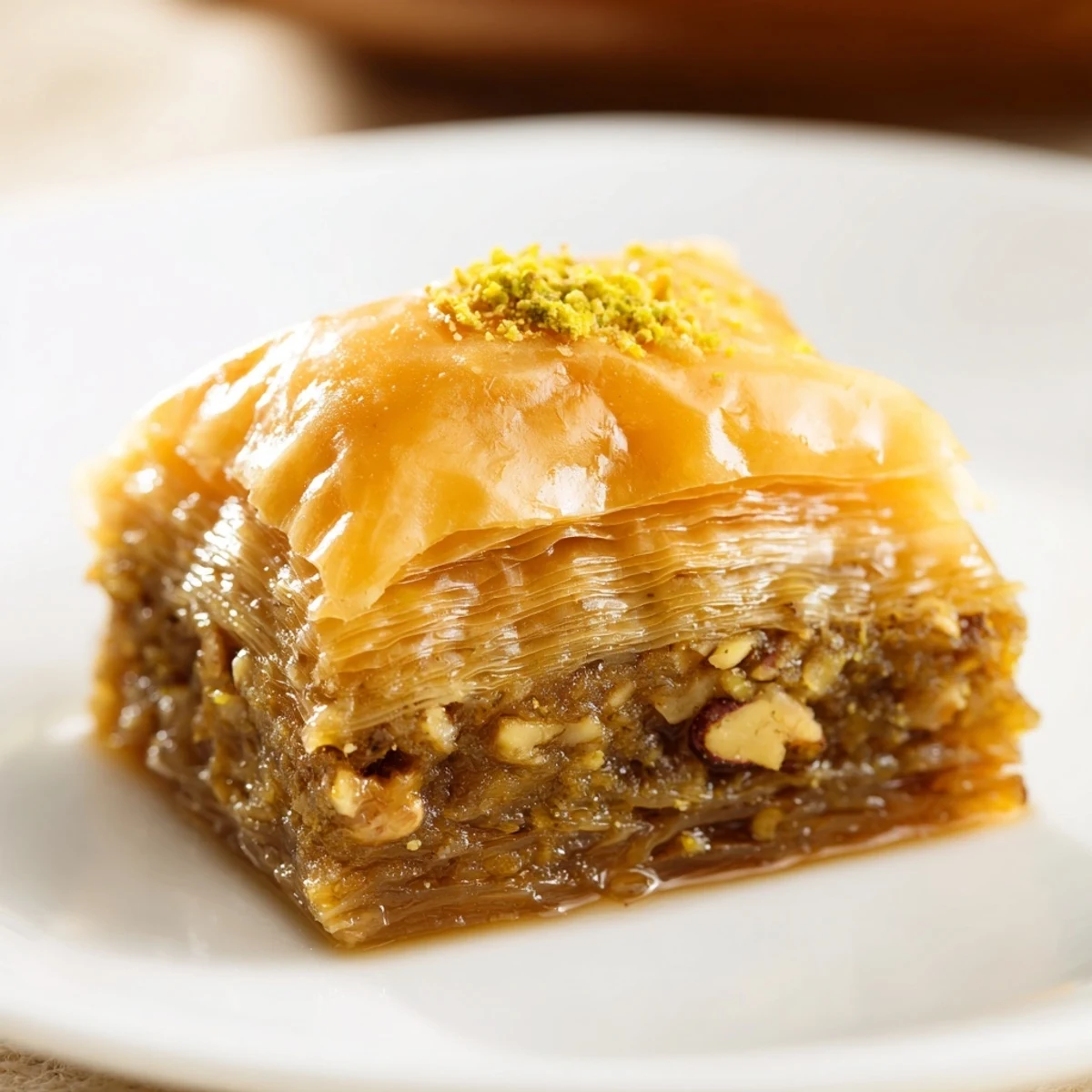
 There's something deeply satisfying about cutting through that first diamond, hearing the slight crunch as your knife hits the pan, and watching the syrup glisten along the edges. Each piece feels like a small accomplishment, a testament to patience and tradition.
Making It Your Own
Sometimes I swap in hazelnuts for half the walnuts, which adds a lovely roasted bitterness that cuts through the sweetness. A friend's mother once taught me to add a pinch of cardamom to the nut mixture, and now I can't imagine baklava without its subtle warmth.
The Syrup Secret
I learned the hard way that making the syrup while the baklava bakes creates perfect timing. Too early and it becomes a sticky mess waiting for the pastry, too late and you're frantically stirring while your carefully constructed layers cool past their prime.
Serving And Storing
Baklava keeps beautifully at room temperature for up to a week, covered loosely with foil to prevent it from drying out. I actually prefer it on day two or three, when the flavors have had time to meld and the texture reaches that perfect balance between crisp and tender.
- Serve small pieces, as this dessert is incredibly rich
- Let guests know about the nuts in case of allergies
- Pair with strong black coffee or mint tea to cut through the sweetness
 Pin this
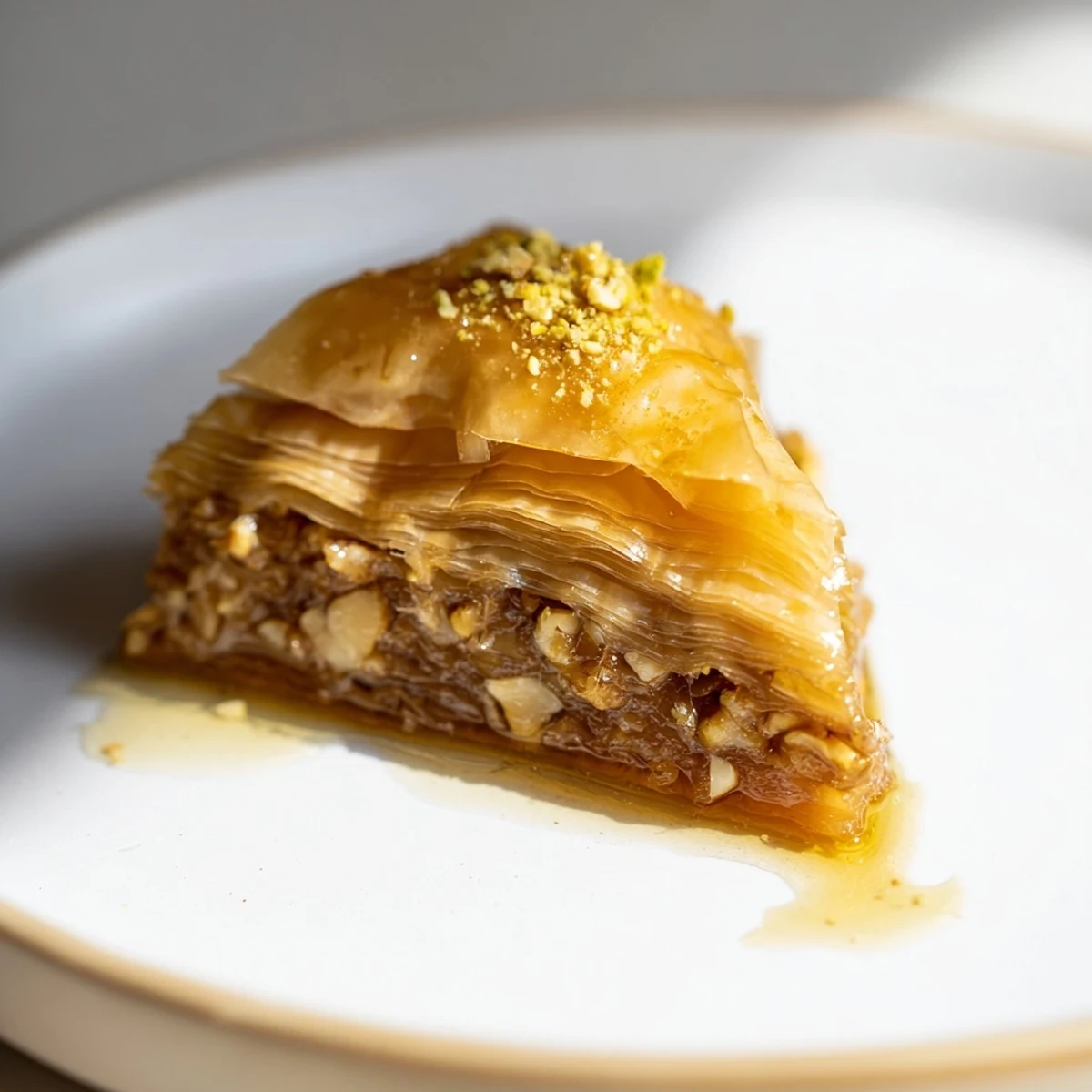
 Every time I pull a finished pan from the oven, I'm transported back to that tiny kitchen, watching my grandmother's weathered hands work magic. Some recipes are just meant to be shared.
Recipe FAQs
- → How do I keep phyllo dough from drying out?
-
Keep unused phyllo sheets covered with a damp kitchen towel while working. Uncover only the sheet you're currently using, and work efficiently to minimize exposure to air.
- → Can I make baklava ahead of time?
-
Yes, baklava actually tastes better the next day as flavors develop. Store at room temperature in an airtight container for up to 5 days. The syrup keeps it moist and fresh.
- → Why should syrup be cooled before pouring?
-
Pouring slightly cooled syrup over hot pastry ensures proper absorption without making the phyllo soggy. The temperature difference helps the syrup penetrate evenly while maintaining crisp layers.
- → What nuts work best in this pastry?
-
Walnuts and pistachios are traditional choices, offering complementary flavors and textures. Almonds add sweetness, while hazelnuts or pecans make excellent alternatives based on preference.
- → How do I get clean cuts without crumbling?
-
Cut through all layers before baking using a sharp, steady motion. Serrated knives work well. Cutting while unbaked prevents shattering the crisp finished product.