
 Pin this
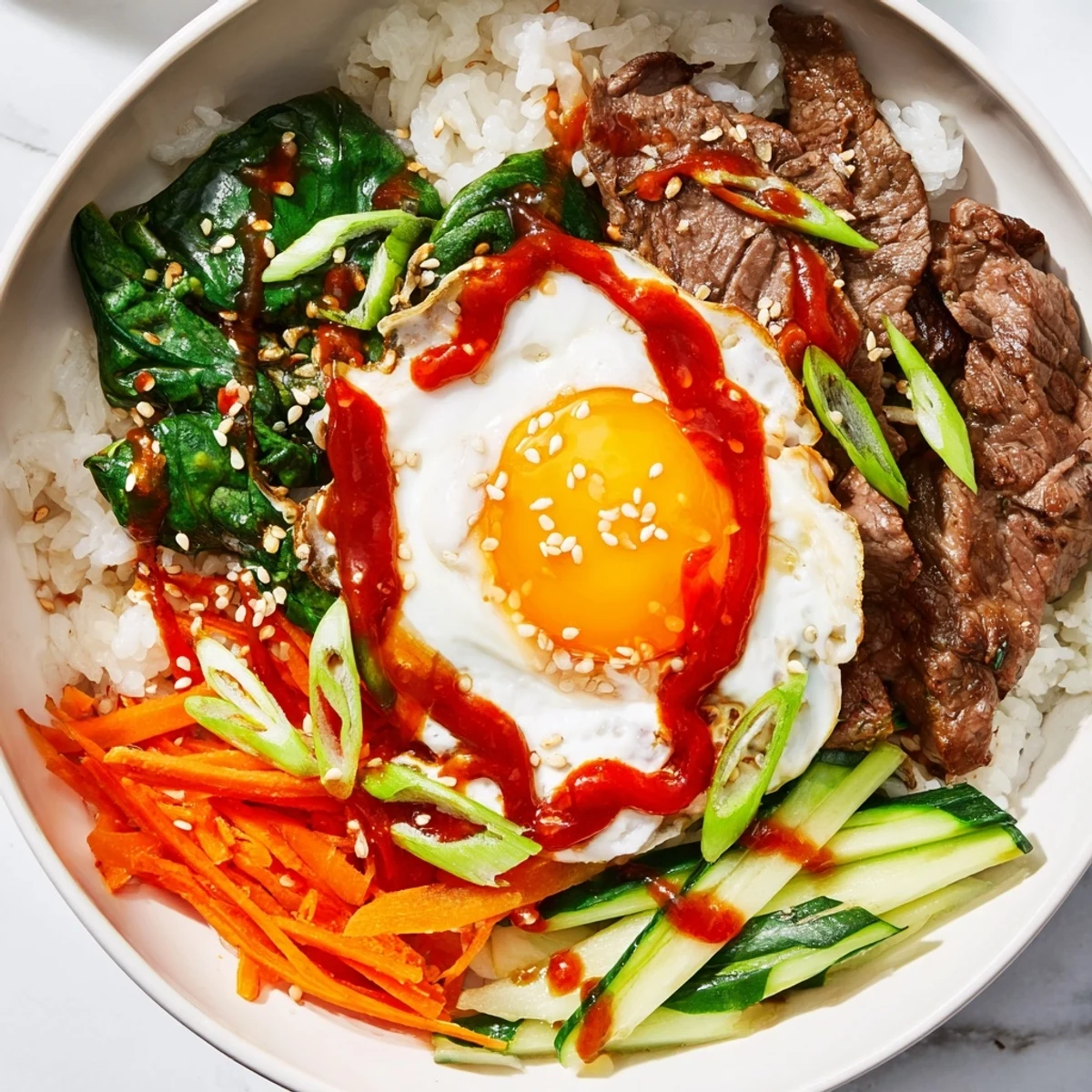
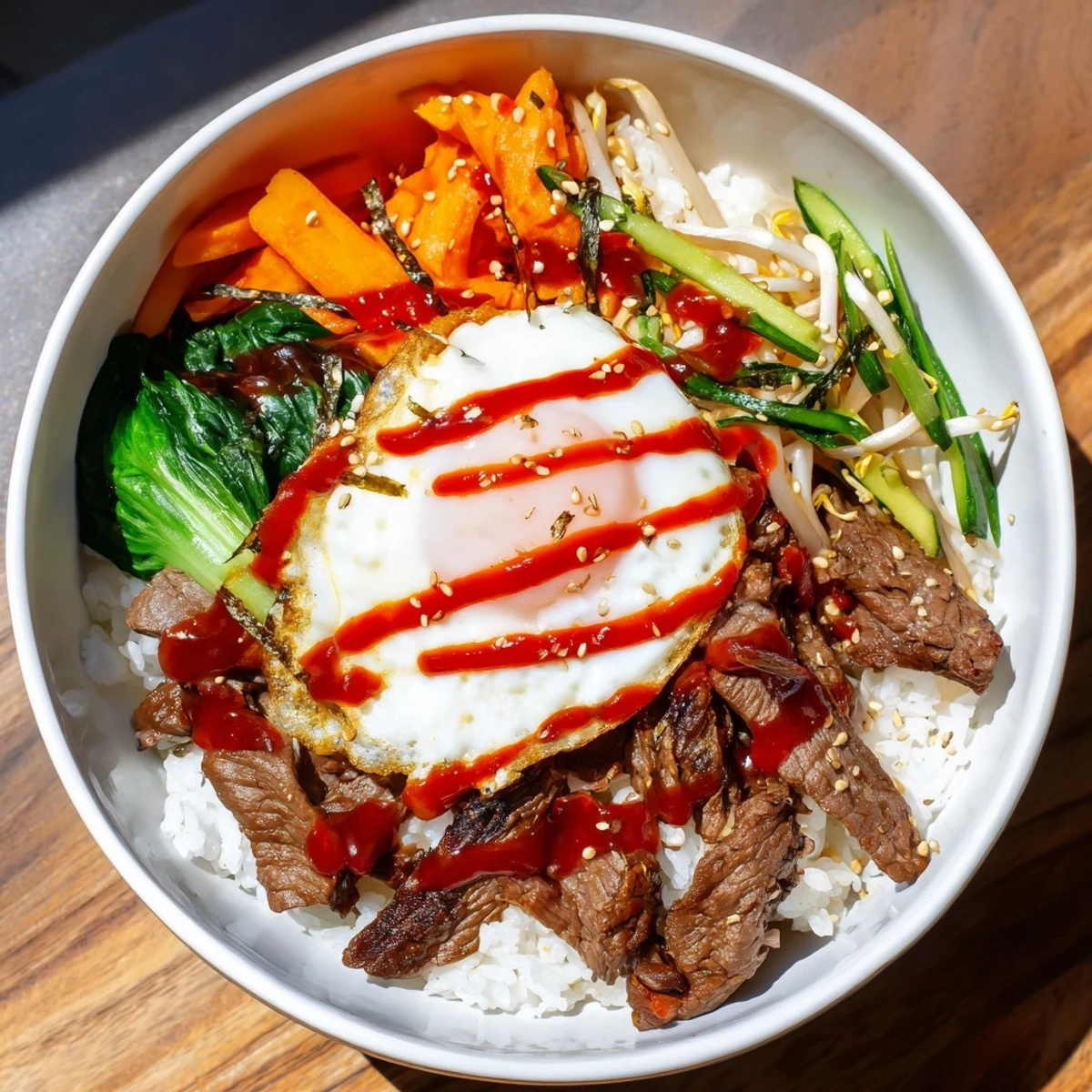
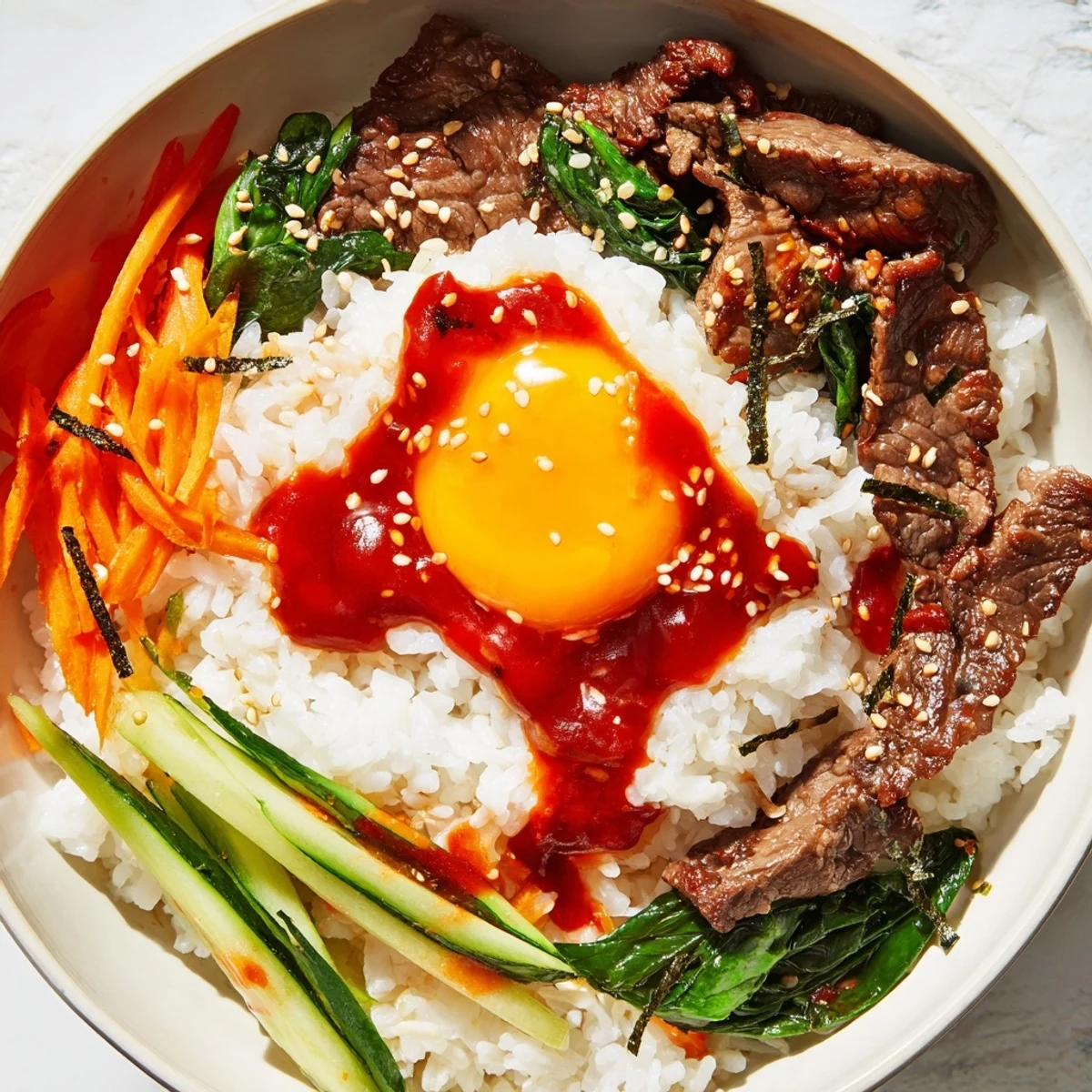
 This hearty breakfast bowl brings together the bold flavors of Korean cuisine in a satisfying morning meal. Thinly sliced beef is marinated in a savory blend of soy sauce, sesame oil, garlic, and ginger, then quickly seared to perfection. The bowl features an array of fresh vegetables including baby spinach, julienned carrots, crisp cucumber, and blanched bean sprouts, all arranged over a bed of warm short-grain rice.
A sunny-side-up egg with a runny yolk crowns the bowl, creating a rich sauce when broken. The dish is finished with a homemade gochujang sauce that balances sweet and spicy notes, plus a sprinkle of toasted sesame seeds and nori strips for added texture and umami depth.
The first time I encountered a breakfast bowl like this was at a tiny Korean diner in LA where the waitress warned me about the gochujang being spicy. I woke up the next morning craving that exact combination of warm rice, savory beef, and that perfect runny yolk mixing everything together into something magical.
I made this for my sister who claims to hate breakfast food, and she literally licked her bowl clean. The key is arranging everything in little sections so you can customize each bite, mixing a bit of beef with some vegetables and that incredible sauce.
Ingredients
- Beef sirloin or ribeye: Thinly slicing it against the grain makes it tender and quick-cooking
- Soy sauce and sesame oil: This classic combo creates that deep umami base for the marinade
- Brown sugar and garlic: Balance the savory notes with subtle sweetness and aromatic depth
- Gochujang: This Korean chili paste brings the signature spicy-sweet flavor that makes the whole dish sing
- Baby spinach and bean sprouts: Fresh vegetables add crunch and color without overwhelming the bowl
- Short-grain white rice: Its natural starch helps bind everything together when you mix it all up
- Fried eggs: Runny yolks are non-negotiable here because they create that luscious sauce
Instructions
- Marinate the beef:
- Whisk together soy sauce, sesame oil, brown sugar, garlic, ginger, and rice vinegar until the sugar dissolves. Toss the sliced beef in this mixture and let it sit while you prep everything else, flipping once halfway through.
- Cook the beef:
- Heat your skillet over medium-high heat until its almost smoking, then add the beef in a single layer. Let it sear undisturbed for 1 minute before flipping, cooking just until browned and cooked through, about 2-3 minutes total.
- Prep the vegetables:
- Quickly wilt the spinach in the same pan, about 1 minute, then blanch the bean sprouts in boiling water for exactly 60 seconds so they stay crunchy. Drain everything well and set aside.
- Fry the eggs:
- In a clean nonstick skillet over medium heat, crack the eggs gently and let them cook until the whites are completely set but the yolks still jiggle when you shake the pan.
- Make the sauce:
- Whisk gochujang with honey, water, sesame oil, and rice vinegar until smooth. The consistency should be thick but drizzly, like honey.
- Assemble your bowls:
- Divide warm rice between two bowls, then arrange beef, spinach, carrot, cucumber, bean sprouts, and green onions in neat sections on top. Nestle a fried egg in the center and drizzle with sauce.
 Pin this
 My friend from Seoul told me that in Korea, breakfast bowls like this are often made with leftovers from dinner the night before. There is something so satisfying about turning whatever you have on hand into something that feels intentional and comforting.
Getting The Rice Right
Short-grain rice is essential here because its sticky quality helps everything cling together. I learned the hard way that long-grain rice makes everything fall apart. Rinsing the rice until the water runs clear before cooking removes excess starch for perfectly fluffy grains.
Making It Your Own
The beauty of this bowl is how adaptable it is. Sometimes I swap the beef for marinated tofu or add sautéed zucchini if that is what I have. The non-negotiable elements are the warm rice, the runny egg, and that gochujang sauce.
The Art Of The Arrangement
Taking the time to arrange each component in its own section makes eating feel special. When you break into the bowl, you get to decide exactly how much of each ingredient goes into each bite. Some mornings I go heavy on the vegetables, others I want more beef.
- Keep some kimchi in the fridge to serve alongside for extra tang and probiotics
- Toast your sesame seeds in a dry pan for 2 minutes to deepen their nutty flavor
- Double the sauce recipe and keep it in the fridge for quick weekday breakfasts
 Pin this
 There is something profoundly satisfying about a breakfast that feels substantial but leaves you energized rather than weighed down. This bowl has become my go-to for slow weekend mornings.
Recipe FAQs
- → Can I make this bowl ahead of time?
-
Yes, you can prepare the marinated beef, blanched vegetables, and gochujang sauce up to 24 hours in advance. Store components separately in the refrigerator and reheat the beef and vegetables before assembling. Fry the eggs fresh for the best texture.
- → What other proteins work well in this bowl?
-
Thinly sliced pork, chicken thigh, or even shrimp make excellent alternatives to beef. For a vegetarian version, use firm tofu cubes or portobello mushrooms, marinating them the same way as the beef for maximum flavor absorption.
- → How can I adjust the spice level?
-
The heat level is easily controlled through the gochujang sauce. Reduce the amount of gochujang for a milder dish, or add additional gochujang, a dash of sriracha, or red pepper flakes to increase the intensity. Always taste and adjust before serving.
- → Is brown rice a good substitute for white rice?
-
Absolutely. Brown rice adds nutty flavor and extra fiber. Keep in mind that brown rice typically requires a longer cooking time and more water. Short-grain brown rice works best for maintaining the traditional texture and stickiness.
- → What makes this suitable for breakfast?
-
Korean cuisine often includes rice, soup, and various side dishes for breakfast, providing balanced nutrition to start the day. This bowl combines protein, carbohydrates, and vegetables in one satisfying meal that delivers sustained energy without feeling heavy.