
 Pin this
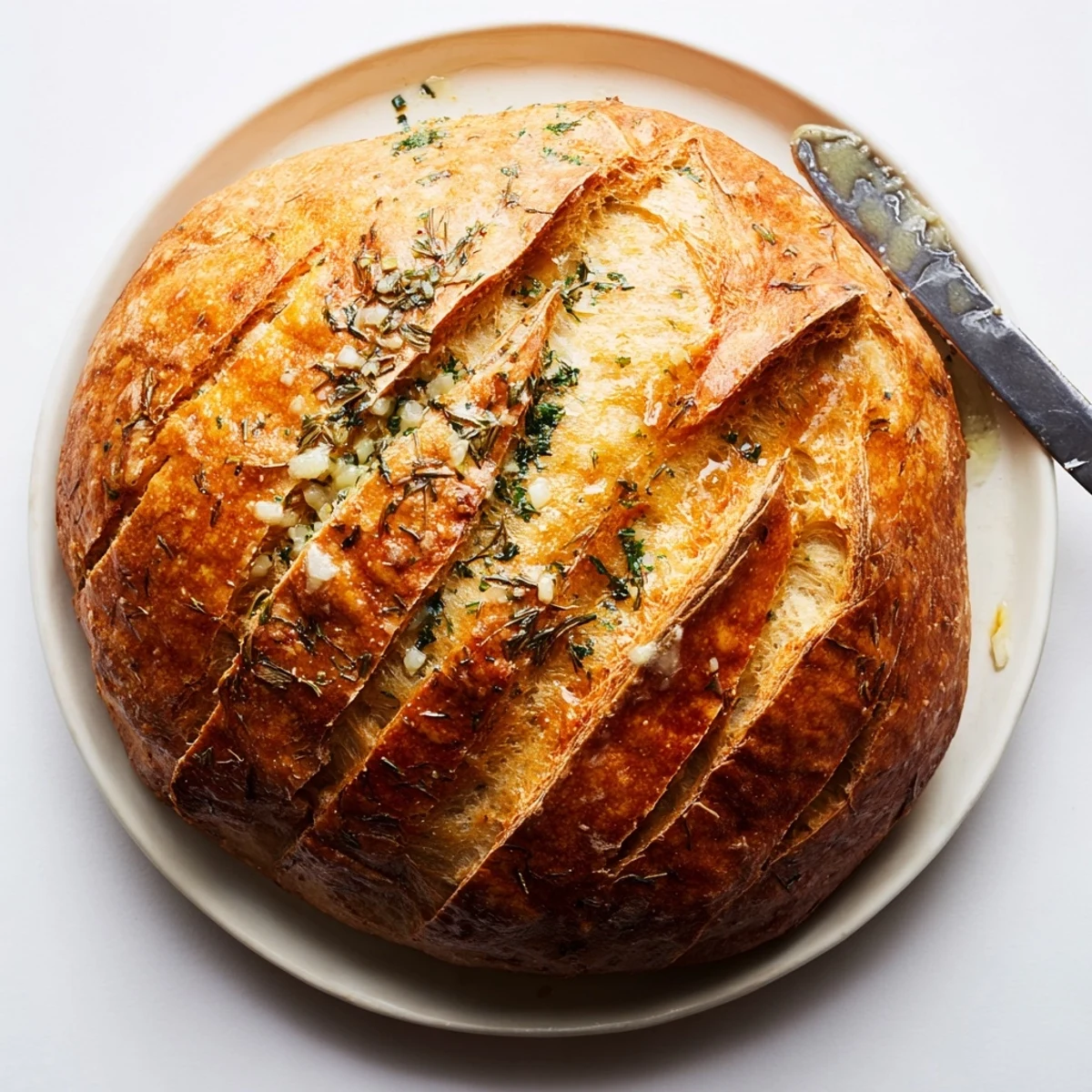
 This artisan-style bread combines the earthy warmth of garlic with fragrant fresh herbs like rosemary, thyme, and parsley. The Dutch oven method creates a professional bakery-quality crust while keeping the inside tender and chewy.
After mixing simple ingredients and letting the dough rise for two hours, you'll shape it into a round loaf and bake it in a preheated Dutch oven. The steam trapped inside creates that coveted crispy, golden exterior. A final brush with melted butter adds richness and extra herb flavor.
The result is a stunning loaf that's perfect for dipping in olive oil, serving alongside soups, or enjoying on its own. The hands-on time is minimal, making this an achievable project for bakers of any experience level.
The smell of garlic and rosemary wafting through my tiny apartment during a snowstorm is something I still crave years later. I had no idea bread baking could feel so therapeutic until that afternoon when I couldn't get to the store. The first time I pulled this steaming, golden loaf from the Dutch oven, my roommate actually abandoned her Netflix marathon to investigate. Now it's the only bread recipe that consistently earns me text messages from friends begging for the recipe.
My neighbor knocked on my door the third time I made this bread, convinced I'd hidden a professional baker in my kitchen. We ended up splitting the loaf right there on the front steps, butter still melting into the warm crumb. Something about breaking bread with someone while it's too hot to eat properly just makes the conversation flow better. That afternoon turned into a weekly baking tradition that lasted through two Chicago winters.
Ingredients
- Bread flour: The higher protein content creates that satisfying chewy texture and structure that all purpose flour just cant match
- Active dry yeast: I keep a backup stash in my freezer because there is nothing worse than being ready to bake and discovering dead yeast
- Garlic: Fresh minced distributes evenly throughout the dough for mellow sweetness rather than harsh raw bites
- Fresh rosemary: Woodier herbs like rosemary hold up beautifully to the high heat and become fragrant without burning
- Fresh thyme: Adds an earthy subtle floral note that balances the assertive garlic perfectly
- Fresh parsley: Brightens everything up and keeps the garlic flavors from becoming too heavy
- Olive oil: Keeps the crumb tender and adds a subtle fruitiness that complements the herbs
- Warm water: I've learned to err on the side of slightly too cool rather than risk killing the yeast with overheated water
Instructions
- Mix your base dough:
- Whisk the flour salt and sugar together in a large bowl then stir in the yeast until well distributed. The flour should smell like a bakery before you even add the water.
- Bring it together:
- Pour in the warm water and olive oil then stir with a wooden spoon until you have a shaggy sticky dough that pulls away from the sides but still clings to the spoon. Do not be tempted to add more flour.
- Add the aromatics:
- Fold in the minced garlic and all those chopped fresh herbs until they're evenly distributed throughout the dough. The mixture will look speckled and fragrant.
- Let it rise:
- Cover the bowl tightly with plastic wrap or a damp towel and walk away for 2 hours. The dough should double in size and look beautifully puffy with visible air bubbles on the surface.
- Shape your loaf:
- Turn the risen dough onto a lightly floured surface and gently fold the edges underneath to create a tight round ball. Use a bench scraper or your palms to tuck and shape without degassing too much.
- Prep for baking:
- Place your shaped dough on a piece of parchment paper and cover it loosely while you move on to heating your Dutch oven. Let it rest for about 30 minutes to relax the gluten.
- Get things hot:
- Put your Dutch oven and its lid into the oven and crank it to 450F for at least 30 minutes. A properly preheated pot is what creates that spectacular crust.
- Bake covered:
- Carefully lower the parchment sling with the dough into the screaming hot Dutch oven and score the top with a sharp knife. Cover immediately and bake for 30 minutes to trap the steam.
- Reveal the crust:
- Remove the lid and continue baking for another 15 to 20 minutes until the bread is deeply golden and sounds hollow when tapped. The smell will be incredible.
- Finish with butter:
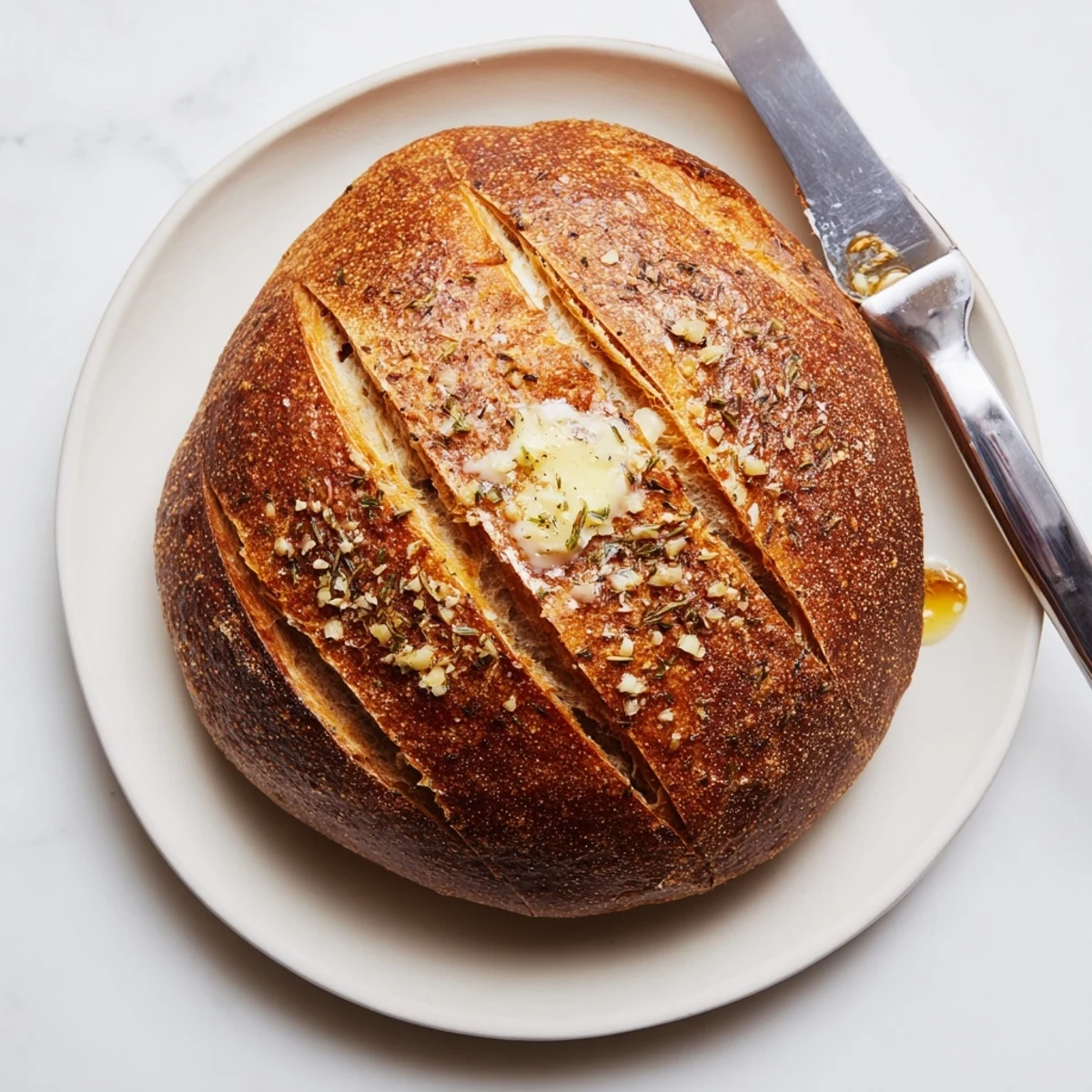
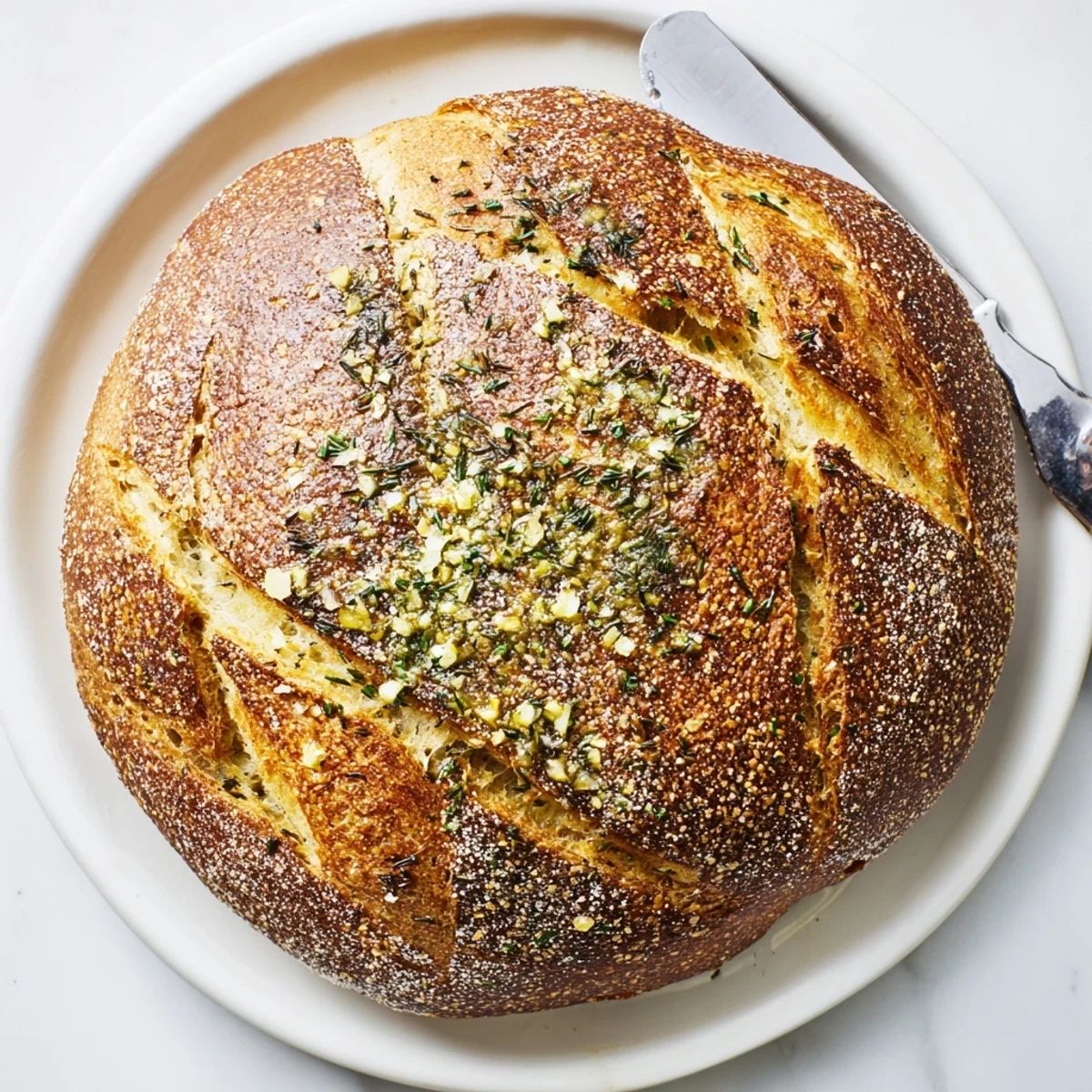
- Brush the hot loaf immediately with melted butter and sprinkle with extra fresh herbs. Let it cool on a wire rack for at least 30 minutes before slicing into it.
 Pin this
 Last Thanksgiving I made six loaves to give as gifts and my brother actually hid one in his coat to take home early. The next morning he texted me a picture of the empty bread basket looking forlorn. There is something universally comforting about tearing into warm homemade bread with people you love. Now I always double the recipe because one loaf mysteriously disappears before it even cools completely.
Perfecting Your Dutch Oven Technique
The first few times I made this bread I burned my arms reaching into the hot oven until a friend taught me the parchment paper sling method. Now I pull the rack out slightly lower the dough in and slide it back safely. The parchment also makes cleanup effortless since the Dutch oven stays relatively clean. A well seasoned cast iron pot only gets better with bread baking.
Herb Combinations That Work
During summer I swap in fresh basil and sun dried tomatoes for an Italian inspired version that disappears at potlucks. Sage and chopped walnuts create this incredible earthy profile in fall that pairs perfectly with soups. My sister loves dried oregano and red pepper flakes for a spicy kick that wakes up plain sandwiches. The base dough is like a canvas that takes to herbs beautifully.
Make Ahead And Storage Tips
I've discovered the dough actually develops more flavor when mixed the night before and left to rise slowly in the refrigerator. The cold fermentation creates these subtle tangy notes that make people think you have been baking for decades. Leftover bread makes the most incredible garlic bread the next day or can be frozen for up to three months wrapped tightly.
- Slice before freezing so you can toast individual pieces straight from the freezer
- Refresh day old bread in a 350F oven for 10 minutes to restore that fresh baked crispness
- Store cut side down on a cutting board rather than in plastic bags to keep the crust from getting soggy
 Pin this
 There is still something magical about transforming flour water and yeast into something that brings people together. Hope this recipe finds its way into your regular rotation.
Recipe FAQs
- → Why bake bread in a Dutch oven?
-
A Dutch oven traps steam during baking, which creates a crispy, golden crust similar to professional bakery ovens. The enclosed environment allows the bread to rise properly while developing that signature artisan texture and appearance.
- → Can I use dried herbs instead of fresh?
-
Yes, you can substitute dried herbs. Use 1 teaspoon of each dried herb (rosemary, thyme, and parsley) instead of the tablespoon measurements for fresh. Dried herbs are more concentrated in flavor, so you'll need less.
- → How do I know when the bread is done?
-
The bread is finished when the crust is deep golden brown and the loaf sounds hollow when tapped on the bottom. An instant thermometer inserted into the center should read between 190-200°F (88-93°C).
- → Can I make this without a Dutch oven?
-
While a Dutch oven produces the best results, you can use a heavy baking stone or steel with a metal bowl inverted over the loaf to trap steam. Alternatively, bake on a baking sheet and place a pan of hot water on the rack below.
- → How should I store this bread?
-
Store the cooled loaf in a paper bag at room temperature for up to 2 days. For longer storage, wrap tightly and freeze for up to 3 months. Avoid plastic bags at room temperature, which can make the crust soggy.
- → Can I add cheese to this dough?
-
Absolutely! Grated Parmesan, cheddar, or Asiago work beautifully. Fold 1 cup of shredded cheese into the dough along with the garlic and herbs. The cheese will melt throughout the crumb and add savory depth.