
 Pin this
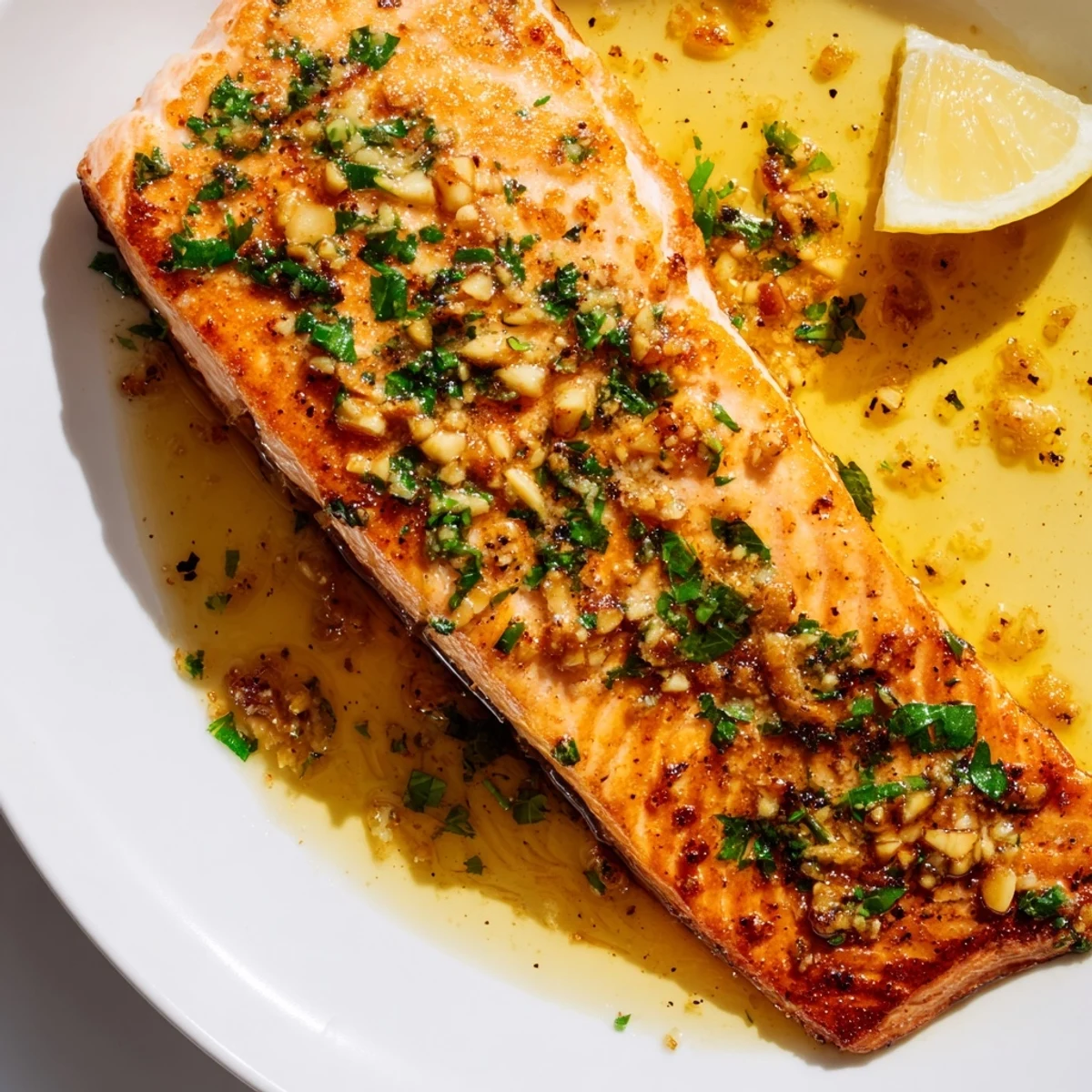
 Succulent salmon fillets are pan-seared to golden perfection, then bathed in a luscious garlic butter sauce brightened with fresh lemon zest and juice. A handful of chopped parsley adds a fresh, vibrant finish to each plate.
Ready in just 25 minutes from start to finish, this dish strikes the perfect balance between weeknight convenience and dinner-party sophistication. The silky sauce doubles as a drizzle for whatever sides you choose.
The sound of butter hitting a hot pan at six in the evening is its own kind of therapy, and garlic butter salmon is the reason my skillet never collects dust. It started as a weeknight desperation meal that turned into the thing friends actually request when they come over. Rich, fast, and impossible to mess up if you trust the process.
My neighbor walked in once while I was making this and stood silently by the stove until I handed her a plate. She now texts me every Friday asking if salmon night is happening. Some dishes earn their own reputation.
Ingredients
- 4 salmon fillets (about 170 g each), skin on or off: Skin on gives you that satisfying crispy layer underneath, but skin off works beautifully if you prefer a cleaner bite.
- 4 tbsp unsalted butter: Unsalted lets you control the seasoning, and you want real butter here because it forms the backbone of the sauce.
- 4 cloves garlic, minced: Four might sound aggressive but mellowed in butter it becomes gentle and aromatic rather than sharp.
- 1 lemon, zested and juiced: The zest carries bright floral oils while the juice cuts through the richness of the butter.
- 2 tbsp fresh parsley, finely chopped: Fresh parsley matters in this recipe because dried cannot replicate that grassy freshness against the butter.
- 1 tbsp olive oil: Used for the initial sear since olive oil handles high heat better than butter alone.
- Salt and freshly ground black pepper, to taste: Season generously on both sides of the fish before it hits the pan.
- Lemon wedges and additional parsley for garnish: Entirely optional but they make the plate look finished and give people something to squeeze on at the table.
Instructions
- Dry and season the fish:
- Grab paper towels and pat each salmon fillet until the surface is genuinely dry, then season both sides with salt and pepper while your skillet heats up.
- Get a hard sear:
- Heat olive oil in a large skillet over medium high heat until it shimmers, then lay the fillets skin side down and let them cook untouched for four to five minutes until the skin crackles and the flesh is opaque most of the way through.
- Flip and finish:
- Flip each piece gently and cook two to three more minutes for medium doneness, then transfer to a plate and let them rest while you build the sauce.
- Build the garlic butter:
- Lower the heat to medium, drop the butter into the same skillet, and once it melts add the minced garlic, stirring constantly for about one minute until your kitchen smells incredible but the garlic stays pale gold.
- Add brightness:
- Stir in the lemon zest, lemon juice, and half the chopped parsley, letting everything bubble together for thirty seconds so the flavors marry.
- Bring it all home:
- Return the salmon to the pan and spoon the bubbling sauce over each fillet for one final minute, letting the fish drink in every drop of that butter.
 Pin this
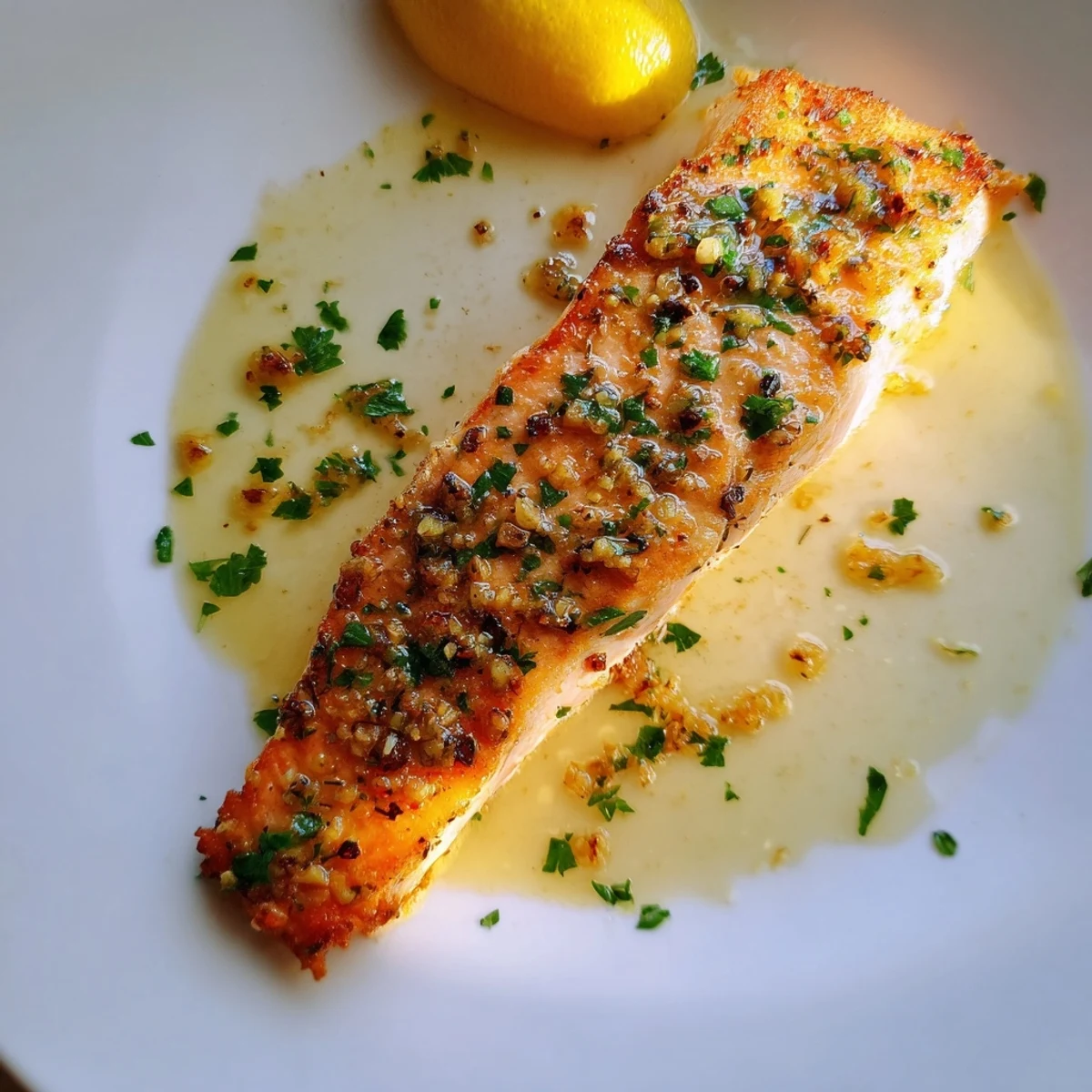
 There is something about spooning warm butter over a piece of fish that makes you slow down and pay attention. It became a small ritual in my kitchen, a moment of calm between the noise of the day and dinner.
Tools That Actually Help
A large heavy skillet, preferably cast iron or stainless steel, is the one nonnegotiable here because it holds heat evenly and gives you that golden crust. A thin flexible spatula saves you from breaking the fillets when you flip them. A citrus zester or fine grater makes quick work of the lemon without digging into the bitter white pith underneath.
Making It Your Own
Swap the parsley for fresh dill if you want something more Scandinavian, or try chives for a milder onion note. This salmon is equally at home on a pile of steamed green beans, over fluffy white rice, or alongside roasted asparagus with nothing else. A glass of Sauvignon Blanc beside it turns a random Tuesday into something worth remembering.
Allergen and Dietary Notes
This recipe naturally fits pescatarian and low carb lifestyles. It contains fish and dairy, but a good non dairy butter alternative works in a pinch for anyone avoiding milk.
- Always double check ingredient labels for hidden allergens if cooking for someone with sensitivities.
- Leftover salmon flakes beautifully over a salad the next day.
- Do not reheat in the microwave unless you want your kitchen to smell like fish for hours.
 Pin this
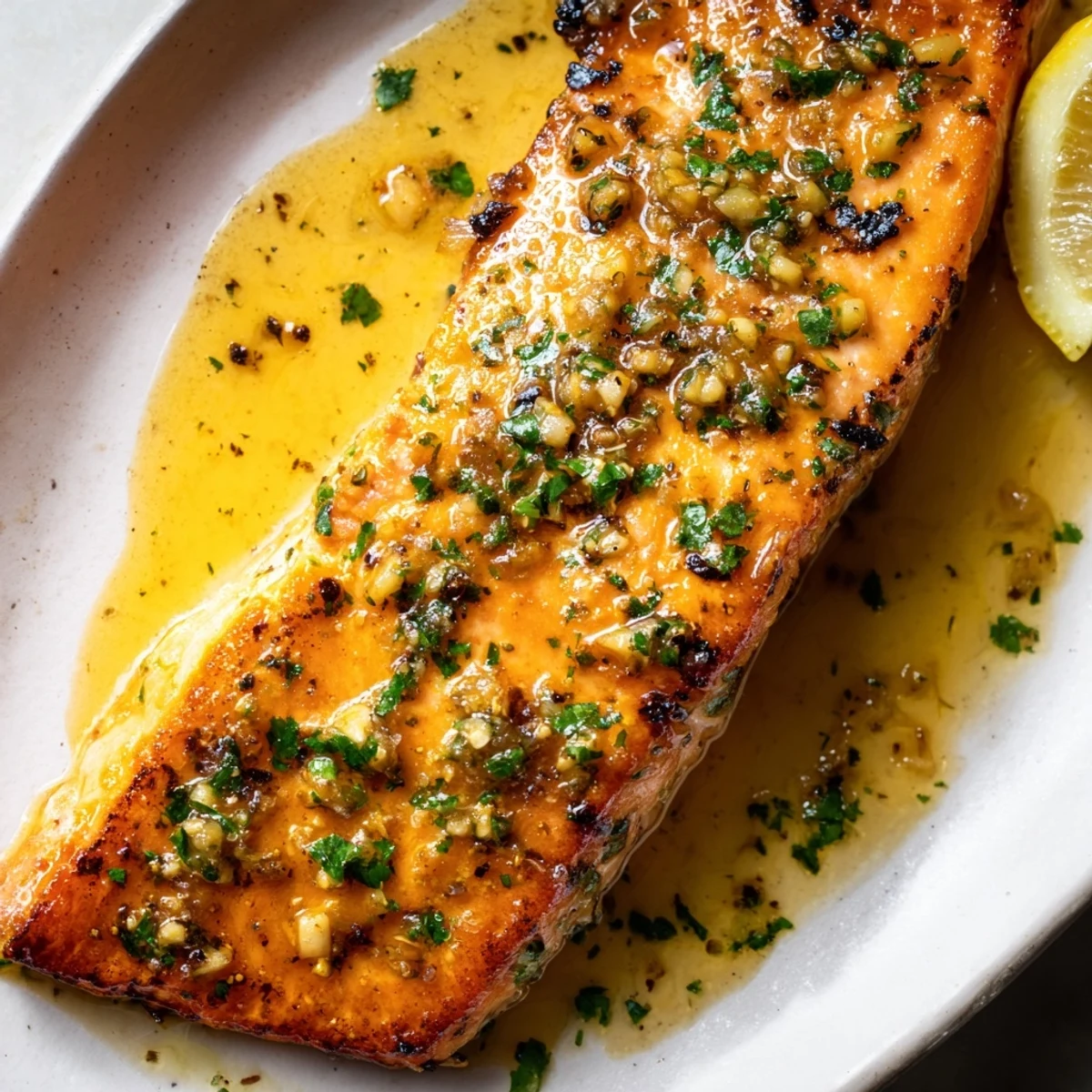
 Some recipes earn a permanent spot in your rotation not because they are fancy but because they make an ordinary evening feel a little brighter. Garlic butter salmon does exactly that, every single time.
Recipe FAQs
- → Should I use salmon with the skin on or off?
-
Both work well. Skin-on fillets crisp up beautifully when seared skin-side down, adding a satisfying texture contrast. If you prefer skinless salmon, simply skip the skin-searing step and cook the fillets directly on the flesh side for a slightly shorter time.
- → How do I know when the salmon is fully cooked?
-
Salmon is done when it flakes easily with a fork and turns from translucent to opaque. For medium doneness, the center should still have a slight pinkness. An instant-read thermometer should register 125-130°F for medium or 145°F if you prefer it fully cooked through.
- → Can I make the garlic butter sauce ahead of time?
-
Yes. Melt the butter, sauté the garlic, and stir in the lemon zest, juice, and parsley. Store the sauce in an airtight container in the refrigerator for up to 3 days. Gently reheat it in the skillet before spooning it over freshly cooked salmon.
- → What sides pair well with garlic butter salmon?
-
Steamed or roasted vegetables like asparagus, broccoli, or green beans complement the richness of the butter sauce beautifully. A bed of fluffy rice, quinoa, or creamy mashed potatoes also works wonderfully to soak up the extra sauce.
- → Can I substitute the butter for a dairy-free alternative?
-
Absolutely. Use a high-quality vegan butter or olive oil in place of unsalted butter. The flavor profile will shift slightly, but the dish remains delicious. Coconut cream is another option for a richer, slightly sweet twist on the sauce.