
 Pin this
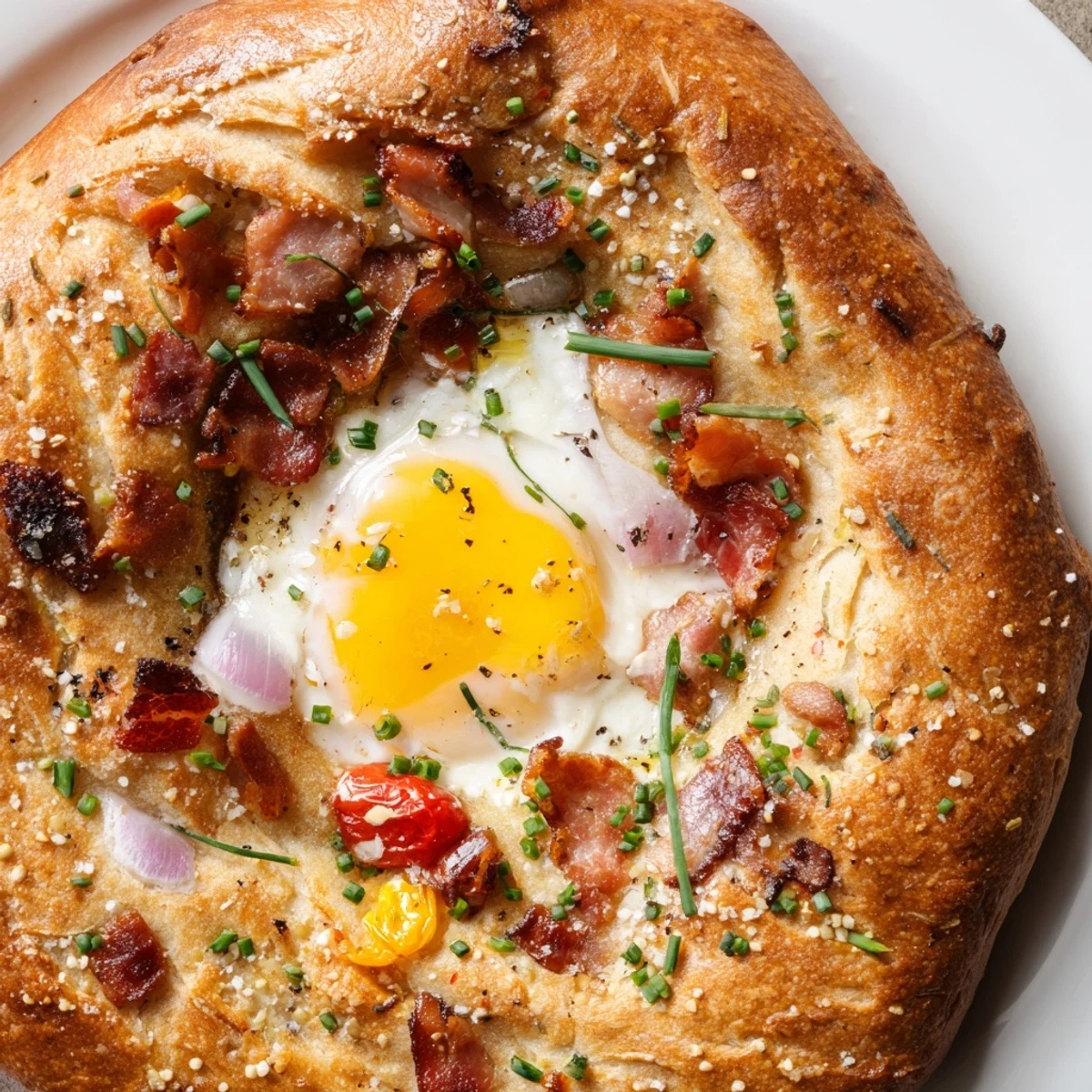
 This Italian-style breakfast focaccia combines a fluffy, olive oil-rich dough with crispy bacon, farm-fresh eggs, cherry tomatoes, and red onions. The dough rises for one hour, creating an airy texture perfect for dimpling and holding the toppings. After partially baking the focaccia with bacon and vegetables, you'll create shallow wells to crack eggs directly into the bread, resulting in golden yolks nestled in crispy, herb-flecked dough. The final drizzle of olive oil and sprinkle of flaky sea salt elevates this hearty morning dish.
The smell of bacon sizzling while dough rises is one of those combinations that makes weekend mornings feel sacred. I stumbled onto this marriage of Italian bread and breakfast toppings completely by accident during a brunch crisis when I had promised friends something impressive but only had focaccia dough on hand. Now it's the request I get most often, especially after that memorable morning when my cousin took one bite and literally stopped talking mid sentence.
Last summer I made this for a crowd of hungry campers, cooking it on a cast iron skillet over the fire. The smoke from the bacon curled up into the pine trees while everyone hovered around with coffee mugs, and somehow that outdoor version tasted even better than the oven baked one. It's become our camping tradition now, with everyone fighting over the corner pieces with the most golden edges.
Ingredients
- 500 g all-purpose flour: This gives you the perfect pillowy structure, though bread flour will work if you want extra chew
- 7 g instant dry yeast: Instant yeast is forgiving and works faster than active dry, perfect for morning impatience
- 325 ml warm water: Think bathwater temperature, too hot and you'll kill those eager little yeast organisms
- 2 tbsp extra-virgin olive oil: Use the good stuff here since the flavor really comes through in the final bread
- 1 tsp sugar: Just enough to wake up the yeast and give the crust that beautiful golden color
- 2 tsp kosher salt: Coarse salt dissolves slowly and gives you those occasional salt bursts that make focaccia special
- 4 large eggs: Room temperature eggs will settle into those wells more evenly than cold ones
- 6 slices bacon, chopped: The bacon renders its fat into the dough as it bakes, creating these incredible salty pockets
- 100 g cherry tomatoes, halved: They blister and concentrate in the oven, becoming little bursts of sweet acidity
- 1 small red onion, thinly sliced: Red onion stays slightly sweet even after roasting, unlike the harshness of raw yellow onion
- 2 tbsp extra-virgin olive oil: This final drizzle before topping creates those signature focaccia pools of golden oil
- 1 tsp flaky sea salt: The crunch on top is non-negotiable, it's what restaurant focaccia has that home versions often miss
- 1 tsp freshly ground black pepper: Fresh cracked has a heat and complexity that pre-ground simply cannot deliver
- 2 tbsp fresh chives or parsley, chopped: Add these right at the end so they stay bright and bring a fresh contrast to all that richness
Instructions
- Mix the dough base:
- Combine your flour, yeast, and sugar in a large bowl until they're one happy family, then pour in that warm water and olive oil. Stir until everything comes together in a shaggy messy mound, then sprinkle in your salt and knead for about 5 to 7 minutes until the dough transforms into something smooth and elastic that bounces back when you poke it.
- Let it rise:
- Cover your bowl with a clean towel and find the warmest corner of your kitchen. Walk away for a full hour, or until the dough has doubled in size and looks puffy and alive with tiny bubbles.
- Preheat and prepare:
- Crank your oven to 220°C (425°F) while you drizzle a generous amount of olive oil onto a large baking tray. Use your hands to coat every corner so nothing sticks later.
- Shape the focaccia:
- Gently turn that risen dough onto your prepared tray and use your fingertips to press and stretch it toward the edges. Dimple the surface deeply with your fingers, those little wells are what will catch all the olive oil and toppings.
- Add the toppings:
- Drizzle another 2 tablespoons of olive oil over the dimpled surface, then scatter your chopped bacon, cherry tomatoes, and red onion evenly across. Finish with a generous sprinkle of flaky salt and black pepper.
- First bake:
- Slide the tray into your hot oven and let everything cook for 15 minutes. The bacon should be starting to crisp and the dough beginning to turn golden at the edges.
- Create the egg wells:
- Pull the focaccia out and use the back of a spoon to press four shallow wells into the partially cooked bread. Crack an egg into each well, letting the white spread while keeping the yolk contained.
- Final bake:
- Return to the oven for 8 to 10 more minutes, watching closely until the egg whites are set but those yolks still wobble slightly when you gently shake the pan.
- Finish and serve:
- Sprinkle your fresh herbs across the top while everything is still hot. Slice into generous squares and serve immediately while those eggs are at their perfect runny stage.
 Pin this
 My sister-in-law still talks about the morning I made this for her birthday brunch. She'd never had an egg on bread before and kept taking tiny bites, eyes closed, savoring each component separately before combining them all in one perfect bite. That's when I realized this recipe isn't just breakfast, it's an experience.
Making It Your Own
Sometimes I swap bacon for crumbled sausage when I want something bolder, or add sautéed mushrooms under the eggs for a vegetarian version that still feels substantial. The beauty of focaccia is how forgiving it is, happily accepting whatever your morning cravings or refrigerator leftovers dictate.
The Timing Trick
I've learned to start checking the eggs a full two minutes before I think they're done, because residual heat continues cooking them even after they leave the oven. Too many early attempts ended with sad solid yolks before I figured out that carryover cooking is real and relentless.
Leftover Magic
On the rare occasions this survives breakfast, I wrap individual slices and freeze them for those mornings when cooking anything feels impossible. They reheat beautifully in a toaster oven, the bacon getting crispy again while the yolks warm through just enough.
- Reheat at 180°C (350°F) for about 10 minutes if frozen
- A quick minute under the broiler brings back the crispy edges beautifully
- Never use the microwave unless you want sad rubbery eggs
 Pin this
 There's something deeply satisfying about pulling this golden, fragrant bread from the oven and watching faces light up. It's breakfast that feels like an occasion, even on the most ordinary Tuesday.
Recipe FAQs
- → Can I make breakfast focaccia ahead of time?
-
The dough can be prepared and refrigerated overnight after the first rise. Bring to room temperature before shaping and adding toppings. For best results, crack the eggs fresh just before baking to maintain runny yolks.
- → What's the best way to achieve runny yolks?
-
Remove the focaccia from the oven when egg whites are completely set but yolks still jiggle slightly. The residual heat will continue cooking them, so timing is crucial—usually 8-10 minutes after adding the eggs.
- → Can I substitute bacon for a vegetarian option?
-
Sautéed mushrooms, spinach, or sun-dried tomatoes work beautifully as bacon alternatives. For added richness, try crumbling feta or goat cheese over the vegetables before the final baking stage.
- → Why is my focaccia dough too sticky?
-
Focaccia dough is naturally hydrating and stickier than bread dough. Resist adding too much flour—use olive oil on your hands when stretching. The high moisture content creates the signature airy, tender crumb.
- → How do I know when the focaccia is done?
-
The crust should be golden-brown and sound hollow when tapped on the bottom. The edges should pull away slightly from the pan, and the surface should feel crisp yet give slightly to gentle pressure.
- → Can I freeze leftover breakfast focaccia?
-
Wrap cooled slices tightly in plastic and freeze for up to 3 months. Reheat in a 350°F oven for 10 minutes to restore crispness. Note that egg texture may change slightly after freezing.