
 Pin this
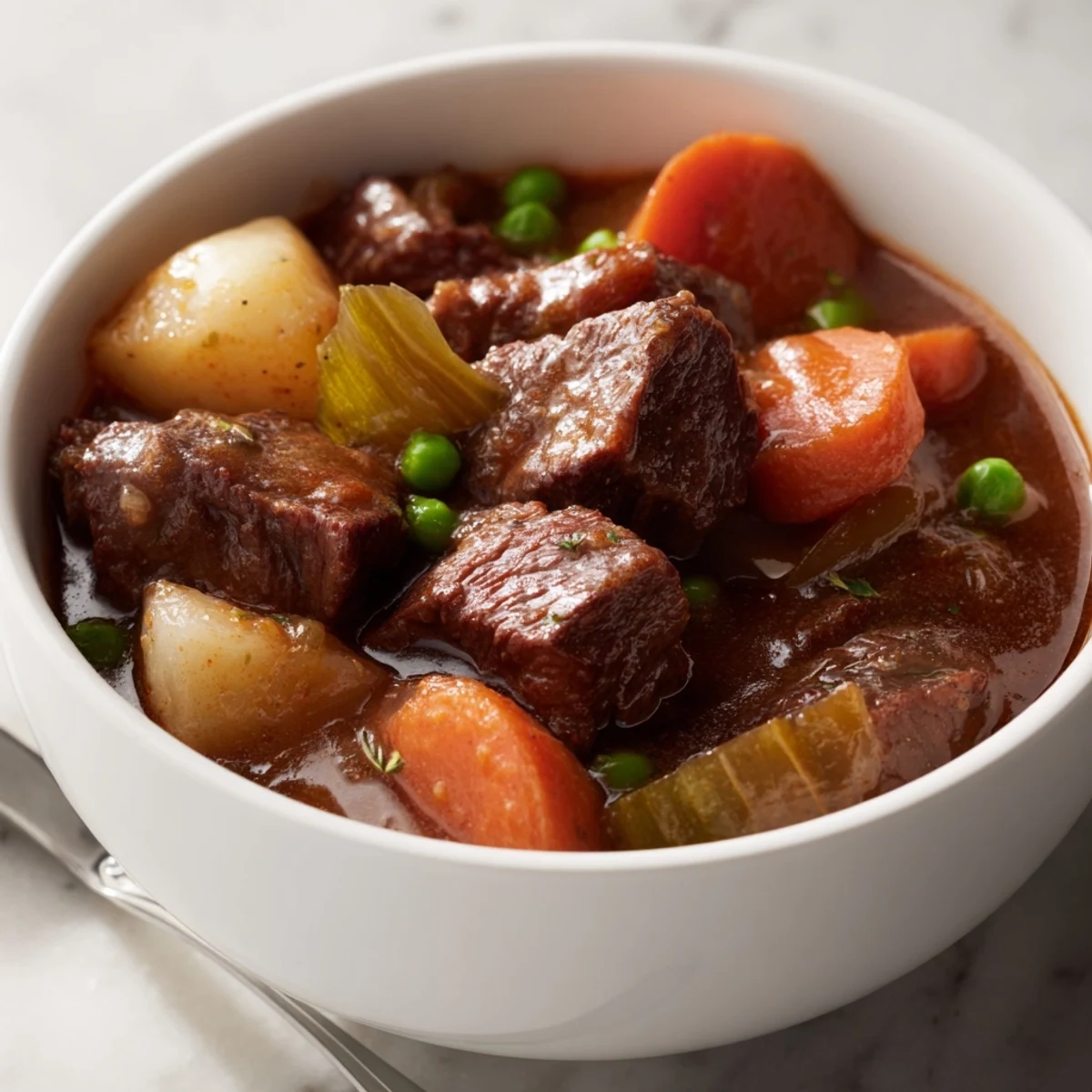
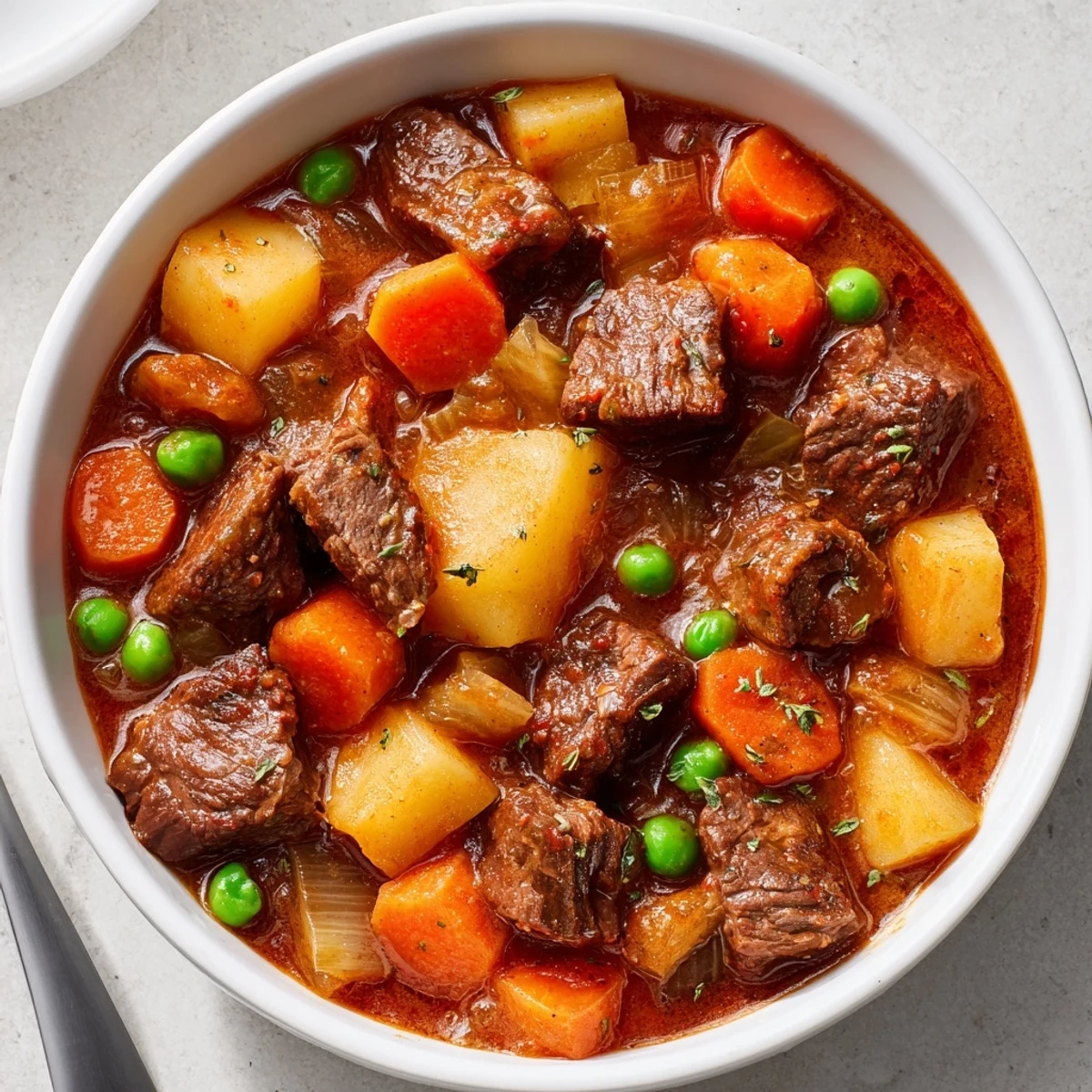
 This hearty stew starts by browning beef chuck for deep flavor, then sautéing onion and garlic. Flour and tomato paste build a glossy base before deglazing with red wine and adding beef stock. Carrots, potatoes, celery, bay leaves and thyme simmer low and slow until meat and vegetables are tender. Finish with peas if using, adjust seasoning, and serve with crusty bread or buttered noodles.
The rain was hammering against the kitchen window so hard that Tuesday night that the power flickered twice before I even got the cutting board out. My neighbor had just dropped off a bag of farmer market carrots and potatoes she would not use before her trip, and I had a big chuck roast sitting in the fridge with no real plan. Something about cold weather and an idle Dutch oven made the decision for me. Two and a half hours later, the whole apartment smelled like the kind of comfort you cannot buy.
I ladled the first bowl too fast and burnt my tongue, which honestly told me everything I needed to know about how good it was going to be once I let it cool. My roommate walked in from her shift, dropped her bag, and just stood over the pot breathing it in without saying a word. We ate in complete silence that night, which in my apartment counts as the highest compliment.
Ingredients
- Beef chuck (2 lbs, cut into 1.5 inch cubes): This cut has the right balance of fat and connective tissue that breaks down into melt in your mouth tenderness over a long simmer.
- Carrots (4 medium, peeled and sliced): They add natural sweetness that balances the deep savory notes of the broth.
- Potatoes (3 large, peeled and diced): Russets will thicken the stew as they break down, while Yukon Golds hold their shape better if you prefer distinct chunks.
- Celery (2 stalks, sliced): An unsung hero that provides an earthy backbone most people overlook until it is missing.
- Onion (1 large, chopped): The foundation of almost everything good that happens in this pot.
- Garlic (3 cloves, minced): Fresh is nonnegotiable here, jarred mince will not give you the same warmth.
- Frozen peas (1 cup, optional): Added at the very end for a bright pop of color and sweetness.
- Beef stock (3 cups): Low sodium gives you more control over the final seasoning.
- Dry red wine (1 cup): It deglazes the pan and adds a layer of complexity you simply cannot get from stock alone.
- Tomato paste (2 tbsp): A small amount deepens the color and adds umami without making it taste like tomato soup.
- Vegetable oil (2 tbsp): A neutral oil with a high smoke point is ideal for getting a proper sear on the beef.
- Salt and black pepper: Season in layers throughout cooking rather than all at once.
- Bay leaves (2): Remember to remove them before serving, they do their quiet work and then need to go.
- Dried thyme (1 tsp): It pairs naturally with beef and adds a subtle herbal warmth.
- Paprika (1/2 tsp): Just enough to round out the spice profile without drawing attention to itself.
- All purpose flour (2 tbsp): This is your thickener, swap it for cornstarch if you need it gluten free.
Instructions
- Get that sear going:
- Heat the oil in a Dutch oven over medium high heat until it shimmers. Pat the beef cubes dry with paper towels, season them generously with salt and pepper, and brown them in batches so you never crowd the pan. Each piece should have a deep golden crust before you move it to a plate.
- Build the flavor base:
- Turn the heat down to medium and drop in the onion and garlic. Sauté until the onion softens and turns translucent, about three minutes, then stir in the flour and tomato paste. Let that cook for one minute so the flour loses its raw taste.
- Deglaze with wine:
- Pour in the red wine slowly, scraping up every last bit of browned goodness stuck to the bottom of the pot. That fond is concentrated flavor and you want all of it in your stew.
- Bring it all together:
- Return the beef and any juices from the plate back into the pot. Add the carrots, celery, potatoes, beef stock, bay leaves, thyme, and paprika. Give everything a good stir so the flavors begin to mingle.
- Let time do the work:
- Bring the pot to a boil, then immediately reduce the heat to low, cover it, and let it simmer gently for two hours. Stir every now and then so nothing sticks and the broth stays even.
- Finish and serve:
- Take off the lid, stir in the peas if you are using them, and let it bubble uncovered for fifteen more minutes until the stew reaches the thickness you want. Fish out the bay leaves, taste for salt and pepper, and ladle it into big warm bowls.
 Pin this
 The second time I made this stew, I brought a container over to my parents house and my dad stood at the stove eating it straight from the ladle before it even reached a bowl. That was the moment I knew this recipe had earned a permanent spot in my rotation.
Serving Ideas That Actually Work
A thick slice of sourdough toasted with butter is really all you need to make this a complete meal. Sometimes I serve it over egg noodles when I want something heartier, and once I even spooned it over a baked potato on a whim which was unexpectedly brilliant. The broth is the star so make sure you have something on the side to soak it up.
Making It Your Own
I have thrown in mushrooms when I had them, swapped parsnips for carrots, and once used a dark beer instead of wine with great results. This recipe is forgiving and actually encourages a little improvisation based on what is in your fridge. Just keep the technique the same and you can play with the cast of characters however you like.
Storage and Reheating
This stew is one of those rare dishes that genuinely improves overnight as the flavors settle and deepen in the fridge. Let it cool completely before transferring it to an airtight container and it will keep for up to four days. For longer storage, portion it into freezer bags and freeze for up to three months.
- Reheat gently on the stove over medium low heat rather than microwaving for the best texture.
- Add a splash of stock or water when reheating because it will thicken considerably in the fridge.
- Freeze in individual portions so you only thaw what you need on a busy weeknight.
 Pin this
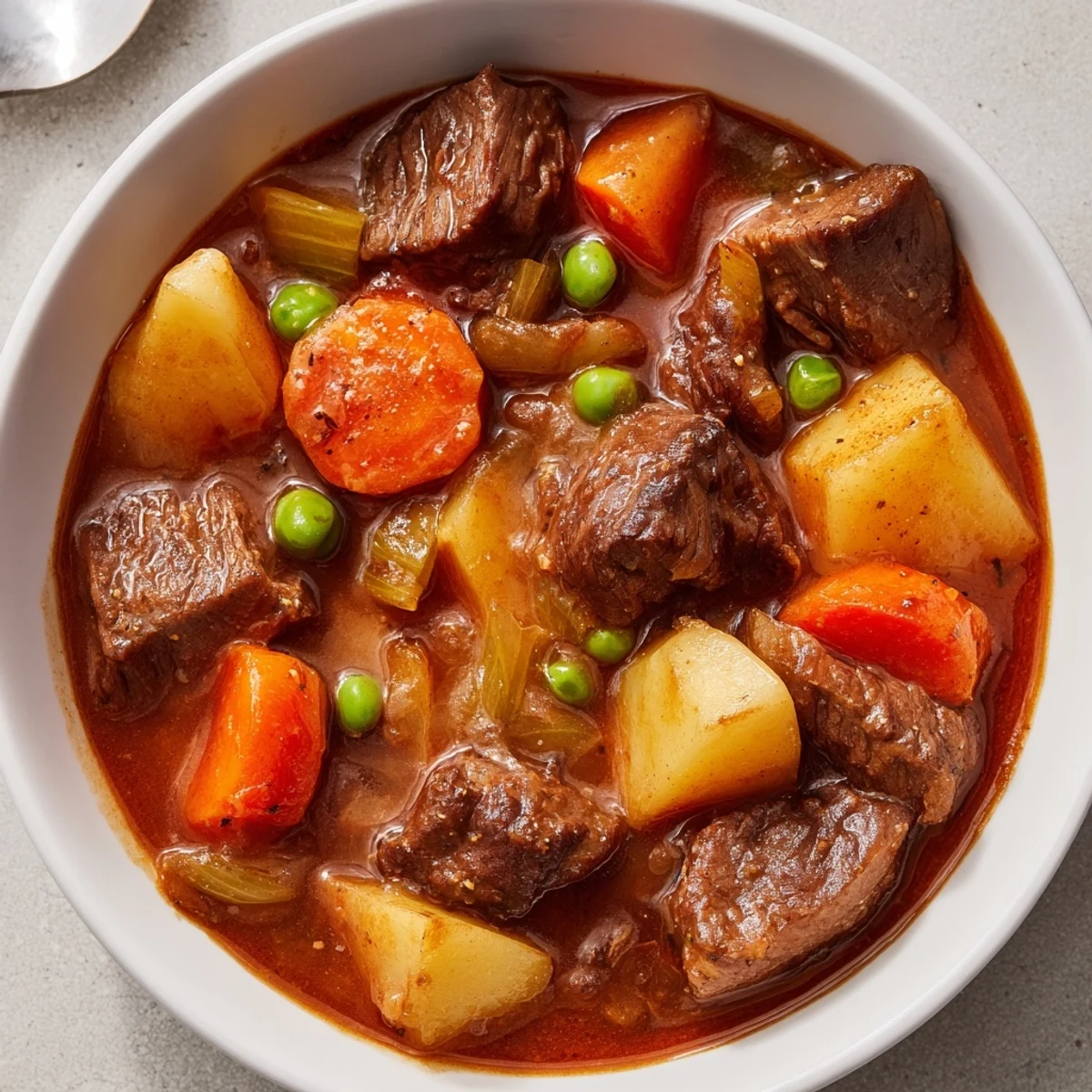
 Some recipes are just dinner and some become the thing you crave when the world feels a little too loud and fast. This beef stew is the second kind, and I hope it finds its way into your kitchen on a night when you need it.
Recipe FAQs
- → What cut of beef works best?
-
Beef chuck is ideal for long simmering: it becomes tender and develops rich flavor as the connective tissue breaks down. Brisket or short ribs also work but may alter texture and fat content.
- → How can I thicken the broth?
-
Stirring a bit of all-purpose flour into the onion and tomato paste early creates a roux-like base. For a gluten-free option, mix cornstarch with cold water and stir in near the end of cooking to thicken quickly.
- → Is red wine necessary?
-
Wine adds acidity and depth when deglazed, but you can replace it with extra beef stock and a splash of balsamic vinegar or Worcestershire for similar complexity without alcohol.
- → Can this be made ahead?
-
Yes. Flavors deepen after resting overnight. Chill completely, then reheat gently on the stovetop; you may need to loosen with a splash of stock and re-season before serving.
- → How do I prevent overcooking the vegetables?
-
Add root vegetables like carrots and potatoes with the meat at the start, but reserve softer additions (peas) for the final 10–15 minutes so they stay bright and retain texture.
- → What are good serving ideas?
-
Serve the stew with crusty bread to soak up the broth, over buttered noodles, or alongside mashed potatoes. A dollop of mustard or a splash of vinegar at the table brightens the dish.