
 Pin this
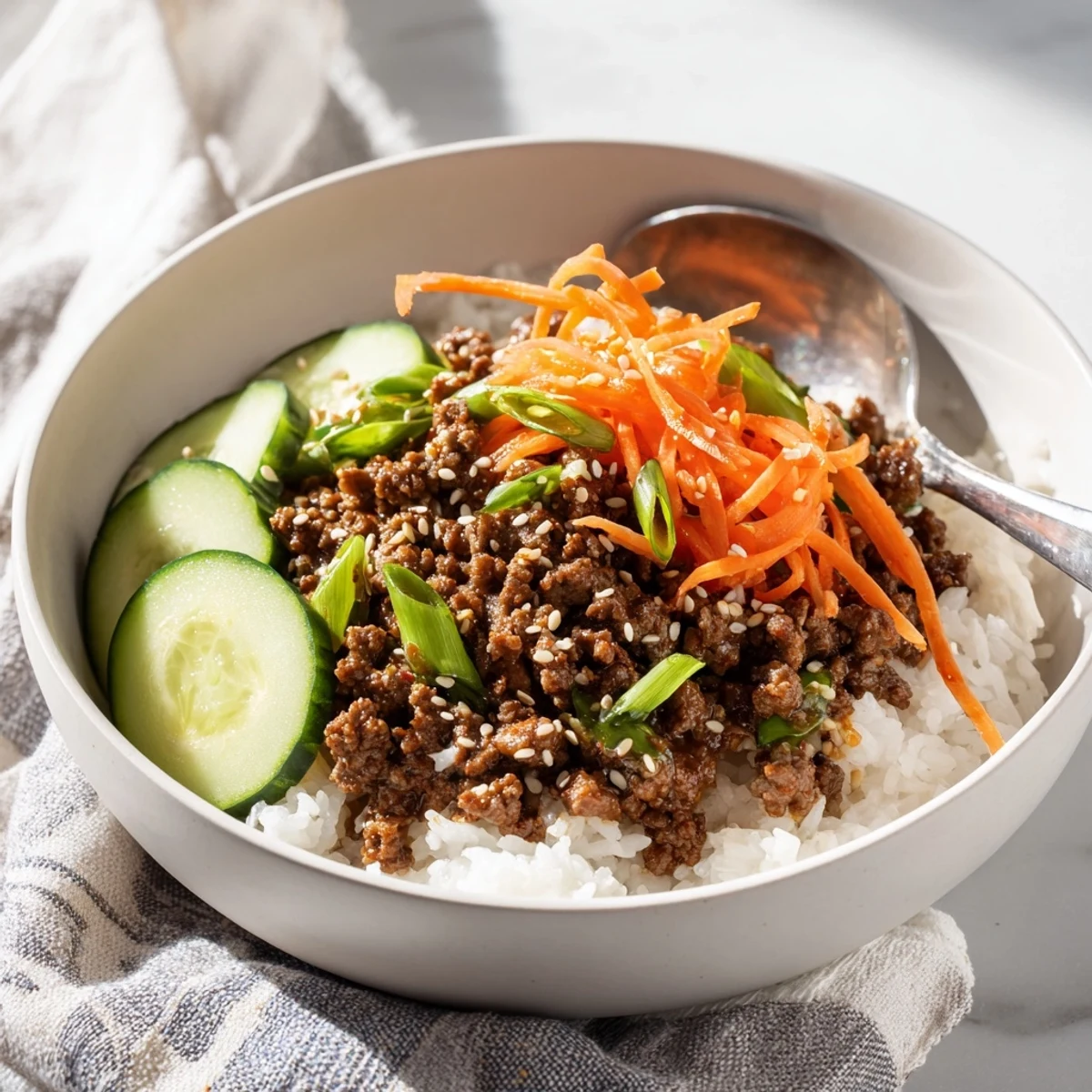
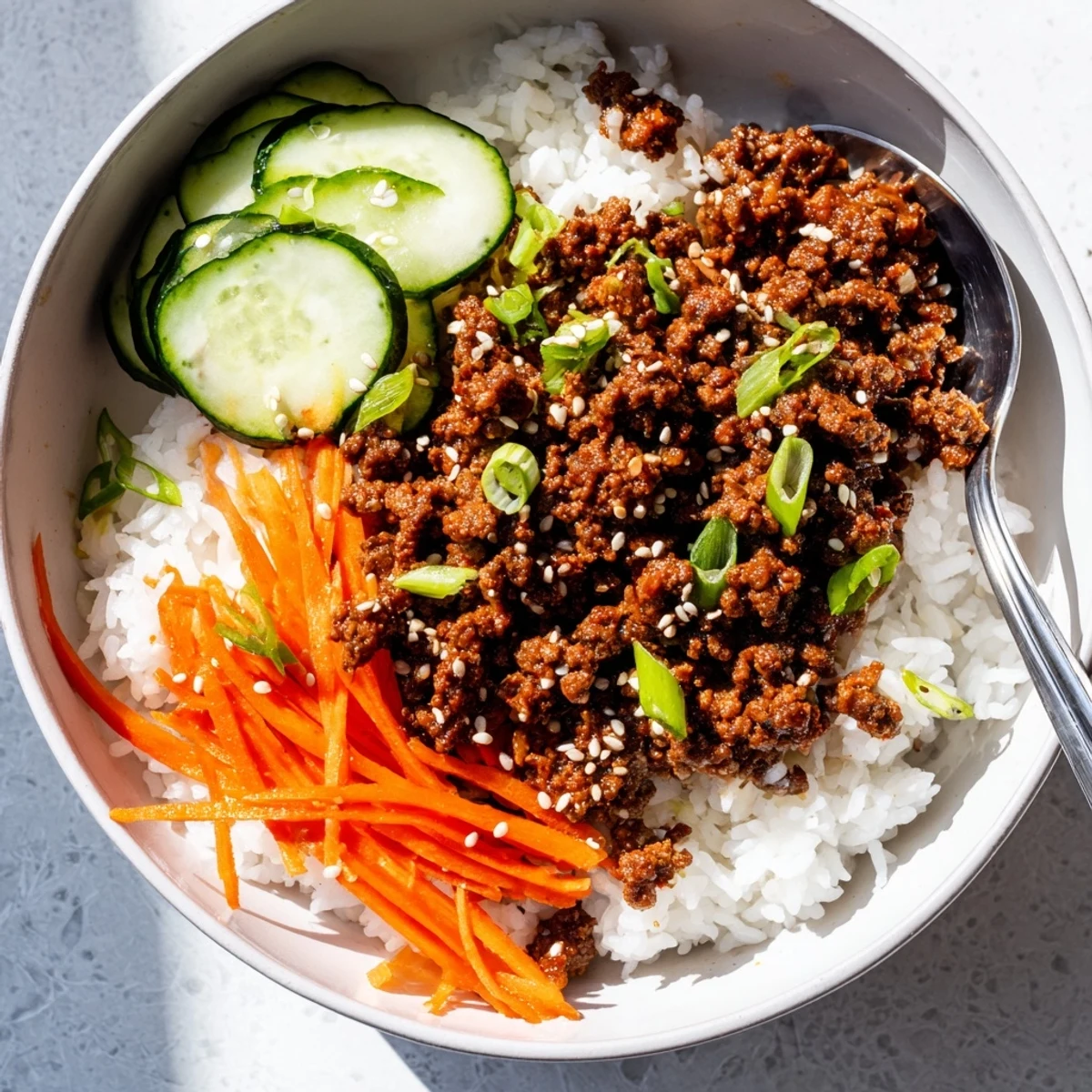
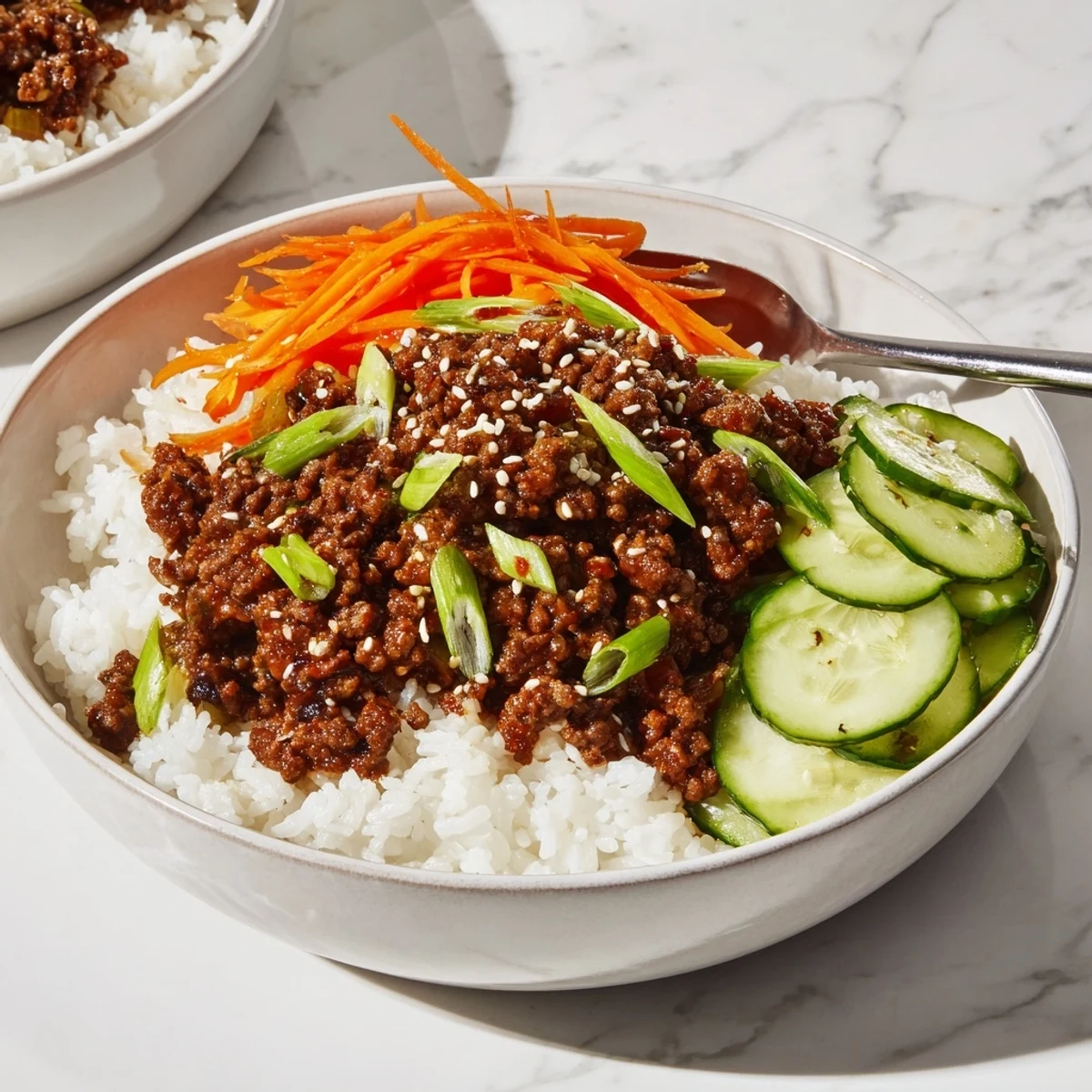
 These vibrant Korean-inspired bowls combine browned ground beef with a sweet and spicy sauce featuring soy sauce, sesame oil, garlic, ginger, and gochujang. Served over fluffy jasmine rice and topped with crisp julienned carrots, cucumber, scallions, and toasted sesame seeds, this dish delivers perfect balance of savory, sweet, and tangy flavors.
The entire meal comes together in just 25 minutes, making it ideal for busy weeknights. The sauce thickens beautifully as it coats the beef, while fresh vegetables add crunch and brightness. Customizable with different proteins, spice levels, or toppings like kimchi and cilantro.
The first time I made Korean beef bowls, it was a Tuesday night and I was exhausted after work. I had ground beef thawing in the fridge and a vague memory of wanting something with bold flavors but zero effort. That night became a regular rotation because the sauce comes together in seconds and makes everything taste like you spent hours planning it.
My roommate walked in when I was browning the beef with garlic and ginger, stopped dead in her tracks, and asked what smelled so incredible. Now she requests these bowls whenever were both home, and honestly I never say no because theyre just that satisfying to eat.
Ingredients
- 500 g lean ground beef: This is the foundation, and lean means less draining later
- 60 ml low-sodium soy sauce: Lets you control the salt level while building umami
- 2 tbsp light brown sugar: Caramelizes slightly and balances the soy sauce perfectly
- 1 tbsp sesame oil: That toasty nutty flavor makes it taste authentically Korean
- 4 garlic cloves, minced: Fresh garlic matters here, jarred stuff falls flat
- 1 tbsp freshly grated ginger: Peeling and grating yourself gives way more flavor than paste
- 1 tbsp gochujang: This Korean chili paste adds depth beyond just heat
- 2 tsp rice vinegar: Cuts through the richness and brightens everything
- 300 g jasmine rice: Fragrant and sticky, exactly what you want under saucy beef
- 2 medium carrots, julienned: Matchstick cut gives crunch without being overwhelming
- 1 small cucumber, thinly sliced: Cool contrast against the warm spiced beef
- 4 scallions, thinly sliced: Fresh oniony bite that cuts through the rich sauce
- 2 tbsp toasted sesame seeds: Sprinkle these last for texture and that final nutty pop
Instructions
- Get the rice going first:
- Rinse the rice until water runs clear, then combine with water in a saucepan. Bring to a boil, drop to a simmer, cover tightly, and let it steam for 12 to 15 minutes. Fluff gently with a fork when done.
- Whisk the sauce together:
- In a small bowl, combine soy sauce, brown sugar, sesame oil, garlic, ginger, gochujang, and rice vinegar. Whisk until the sugar dissolves completely and everything is well combined.
- Brown the beef:
- Heat a large skillet over medium-high heat. Add ground beef and break it apart with a spatula as it cooks for about 5 minutes. Drain any excess fat if needed.
- Add the magic:
- Pour the sauce directly over the browned beef. Stir constantly for 2 to 3 minutes as the sauce bubbles and coats every piece of meat, thickening slightly.
- Build the bowls:
- Divide steamed rice among four bowls. Top each portion with beef, then arrange carrots, cucumber, scallions, and sesame seeds over everything. Add kimchi or cilantro if youre feeling it.
 Pin this
 These bowls became my go-to for comfort food that still feels light and fresh. Theres something about the combination of warm beef over fluffy rice with cool vegetables that just works every single time.
Make It Your Way
Sometimes I swap ground beef for turkey when I want something lighter, and honestly the sauce carries it beautifully. Tofu works too, just press it first and crumble it in so it soaks up all that flavor.
Sauce Secrets
The gochujang is worth seeking out, but red pepper flakes work in a pinch if you need it. Start with less and add more at the end, since the heat builds as it sits.
Getting Ahead
I often double the sauce and keep half in a jar in the fridge for the next night. The rice can be made in advance and warmed up, though nothing beats freshly steamed.
- Cut all your vegetables while the rice cooks to save time
- Toast sesame seeds in a dry pan for 30 seconds to wake up their flavor
- Set everything out buffet style and let everyone build their own bowl
 Pin this
 These Korean beef bowls are the kind of dinner that makes weeknight cooking feel like something to look forward to instead of just another task.
Recipe FAQs
- → Can I use a different protein instead of ground beef?
-
Ground turkey, chicken, or even crumbled tofu work beautifully as alternatives. Cook times remain similar, though you may need to add a splash of oil when cooking leaner meats.
- → How spicy are these beef bowls?
-
The gochujang adds mild to moderate heat. You can control the spice level by reducing the chili paste or omitting it entirely for a milder version everyone will enjoy.
- → Can I make this dish gluten-free?
-
Simply substitute tamari or coconut aminos for the soy sauce and verify your gochujang is gluten-free. Many brands offer certified gluten-free versions of Korean chili paste.
- → How should I store leftovers?
-
Store components separately in airtight containers for up to 3 days. Keep rice, beef mixture, and fresh vegetables in different containers to maintain optimal texture when reheating.
- → What other toppings work well?
-
Sliced radishes, shredded cabbage, pickled vegetables, fried eggs, or avocado make excellent additions. Kimchi adds authentic tang while fresh herbs like cilantro or basil brighten the dish.
- → Can I meal prep these bowls?
-
Perfect for meal prep. Cook a batch of rice and beef mixture, portion into containers, and add fresh toppings just before eating. The flavors actually develop and improve overnight.